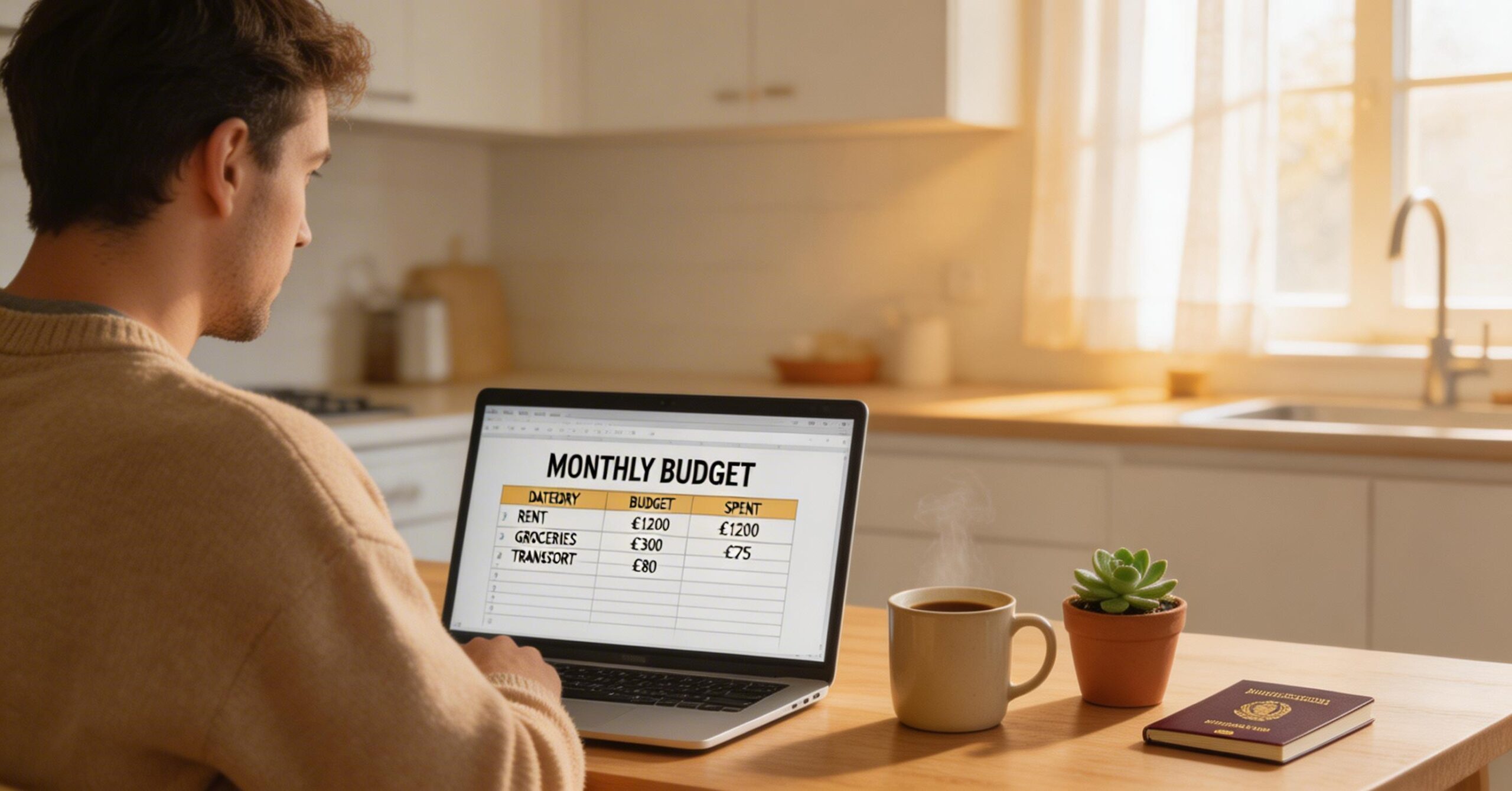
If you’ve ever daydreamed about sipping espresso at a Lisbon sidewalk café, walking to the beach from your Costa Rican apartment, or working remotely from a Mexican mountain town, you’ve probably run the numbers: flight cost, first month’s rent, security deposit, maybe a little extra for fun. I’ve lived in 4 countries over the past 7 years, and I can tell you even the most detailed initial budgets almost always miss the same hidden, unadvertised costs that blindside first-time expats. These fees don’t have to derail your move, but planning for them ahead of time will save you weeks of stress and unexpected debt.
1. Foreign Transaction & International Banking Fees
Even if you have a no-fee US travel credit card, you’ll still run into banking fees most people don’t plan for. Local ATM operators often charge $3-$5 per withdrawal, incoming wire fees for transferring savings to a local bank can run $30-$60 per transfer, and some countries charge a fee to issue a local debit card. I once paid $47 in fees just to transfer $1000 to my Mexican bank account my first week abroad.
Quick tip:
Open a local bank account as soon as you get your residence card, and use low-fee transfer services like Wise instead of bank wires for large sums. I always carry a slim, waterproof RFID-blocking travel wallet to keep my local and US bank cards, ID, and emergency cash secure without weighing down my bag. You can pick one up on Amazon for under $20, it saved me from card skimming when I was in Barcelona last year.
2. Mandatory Local Registration & Residence Permit Fees
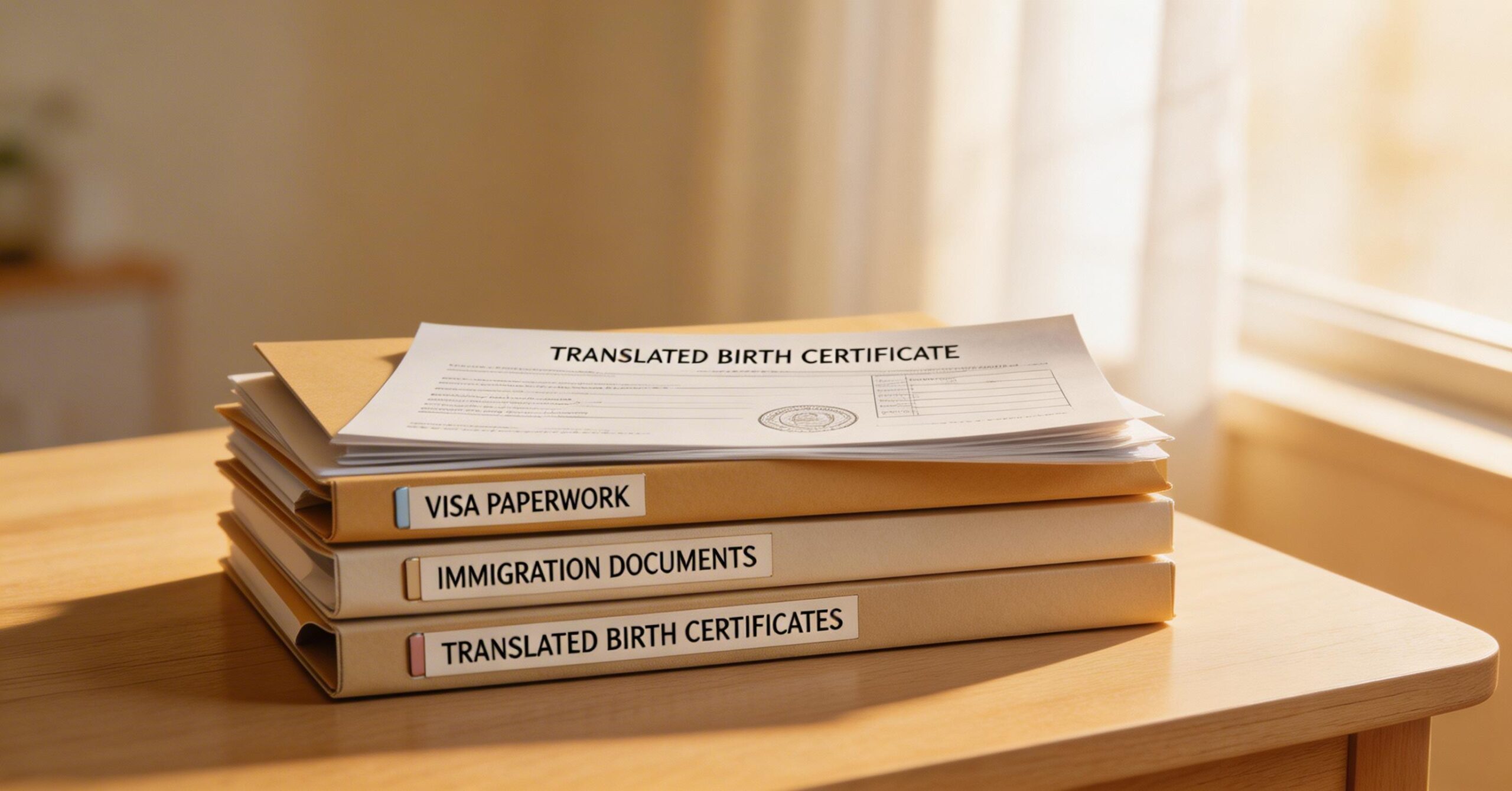
Your initial visa fee is just the start. Almost every country requires you to register your local address within 7-30 days of arrival, pay for a physical residence card, and complete mandatory requirements like government-issued health checks or official document translations that aren’t included in your visa cost. These fees can run anywhere from $100 to $800 depending on the country. When I moved to Portugal, the residence card fee was €320, plus €80 for a mandatory tuberculosis test, plus €50 to get my birth certificate officially translated – costs I had zero clue about until I showed up at the immigration office.
Quick tip:
Check the official government immigration website of your destination country 2 months before moving to list all post-arrival required fees.
3. Household Setup & Utility Connection Fees
If you’re renting an unfurnished apartment, utility companies almost always require a deposit equal to 1-2 months of service, plus installation fees for electricity, internet, water, and gas. Even furnished rentals almost never include the small household basics you take for granted: dish soap, laundry detergent, cutting boards, toilet paper, light bulbs, or trash bags. I spent $180 on these “small” items my first week in Costa Rica, because I arrived with nothing but a suitcase of clothes.
Quick tip:
Ask your landlord if they have leftover household items you can use when you move in. If you’re traveling light, a portable, compact travel clothesline and set of reusable silicone food bags are cheap Amazon finds that cut down on your initial household grocery run costs, since you don’t have to buy disposable hangers or plastic storage bags right away.
4. Mandatory Local Insurance Requirements
Most US travel insurance plans don’t meet the minimum coverage requirements for residence permits in most countries. You’ll almost always have to pay for local health insurance, which runs $40-$100 per month for basic coverage. If you rent an apartment, many countries require mandatory renter’s insurance, and if you buy or lease a car, local car insurance is often 2-3x more expensive for foreign residents their first year. I paid $65 a month for mandatory health insurance in Portugal that I never budgeted for, because my US travel insurance didn’t meet the government’s coverage rules.
Quick tip:
Shop for local insurance quotes 1 month before you move, so you can factor those costs into your monthly budget.

5. Import Duties & Shipping Fees for Personal Belongings
It’s tempting to ship boxes of your favorite clothes, books, and kitchen items instead of buying new, but import duties can add up to 20-50% of the declared value of your items, plus customs processing fees. I shipped 3 boxes of winter clothes and books to Portugal, and I had to pay €210 in import duties before I could pick them up – more than the total value of the items themselves.
Quick tip:
Sell most of your belongings before you move, and only bring carry-on and checked luggage if possible. If you must ship items, check your destination country’s duty exemption limits for expats first.
6. Language & Cultural Integration Costs
If you don’t speak the local language, formal language classes run $100-$300 per month, and you’ll also run into unexpected cultural costs: higher local tipping norms, holiday gifts for your landlord or neighbors, or membership fees for expat groups to make friends. I spent $120 on Spanish classes my first month in Mexico, plus $40 on a Secret Santa gift for my landlord’s kid that I had no idea I was expected to bring to the building holiday party.
Quick tip:
Look for free language exchange groups on Meetup or Facebook before paying for formal classes.

7. Emergency Exit & Repatriation Costs
No one likes to plan for worst-case scenarios, but if you have to fly home last minute for a family emergency, lose your job, or decide the expat life isn’t for you, you’ll have to cover last-minute flight costs, early lease termination fees, and shipping for any belongings you’ve accumulated. I had to fly home last minute when my grandma got sick while I was living in Costa Rica, and the one-way last-minute ticket cost $1200 that I hadn’t budgeted for.
Quick tip:
Keep a separate emergency fund equal to 3 months of living expenses plus the cost of a last-minute one-way flight home at all times. I keep a portable, waterproof fireproof document bag from Amazon to hold my passport, residence card, and flight confirmations, so I can grab it and go in 2 seconds if there’s an emergency. It’s under $25 and worth every penny.
8. Reverse Culture Shock Adjustment Costs When You Return
Almost no one plans for this: when you move back to the US after living abroad, you’ll have to pay for a new apartment security deposit, utility setup fees, new car insurance, and replace all the household items you sold before you left. I spent $3200 when I moved back to the US last year, between a security deposit, first month’s rent, and basic furniture for my small studio apartment.
Quick tip:
Put aside 10% of your monthly income abroad into a “return home” fund, so you don’t have to go into debt when you decide to move back.
Living abroad is still the best decision I’ve ever made, but planning for these hidden costs ahead of time means you can spend less time stressing about money and more time exploring your new home.
—
FAQ
1. How much extra money should I save above my initial budget for hidden costs?
Aim to save an extra 20-30% of your total initial moving budget to cover unexpected fees. For example, if your initial moving budget is $5000, save an extra $1000-$1500 for the costs we listed above. That buffer will cover most unexpected fees without draining your emergency fund.
2. Are there any countries with fewer hidden costs for expats?
Countries with official digital nomad visa programs often have far more transparent fee structures, since they’re designed to attract foreign residents. Places like Estonia, Spain, and Costa Rica list all required visa, registration, and residence fees clearly on their government websites, so you won’t be hit with surprise charges after arrival.
3. Can I avoid foreign transaction fees entirely?
Yes! Before you move, apply for a US credit card with no foreign transaction fees (most travel credit cards offer this). Once you arrive, open a local bank account and transfer larger sums of money at once using a low-fee service like Wise, instead of making lots of small transfers that add up in fees.
4. Do I need to pay US taxes while living abroad?
Yes, US citizens are required to file federal taxes every year no matter where they live, even if you’re paying taxes in your host country. You can qualify for the Foreign Earned Income Exclusion if you meet the residency requirements, which lets you exclude over $126,000 of foreign earned income from US taxes in 2024, but you still have to file your return every year. You may also need to pay for a tax preparer who specializes in expat taxes, which is another small cost to budget for.
5. What’s the most unexpected hidden cost you’ve encountered as an expat?
The most unexpected cost for me was mandatory waste disposal fees in Portugal. I had to pay €12 a month for a mandatory city waste collection sticker that I had to put on my trash can, otherwise the city wouldn’t pick up my trash. I had no clue about this until my neighbor knocked on my door and told me I was going to get a €60 fine if I didn’t buy one within 3 days.
6. How can I find other expats to ask about hidden costs before I move?
Join local expat Facebook groups for your destination country, or search Reddit threads for expats living in that area. Most expats are happy to share their own experiences with hidden fees, and they can give you up-to-date tips that aren’t listed on government websites.