
Clutter rarely arrives all at once. It slips in quietly: a free tote bag here, an expired coupon there, a cable for a phone you no longer own. The good news is that much of it can leave just as quickly. This decluttering checklist lists 50 things you can throw away, recycle, or donate today, organized room by room so you can work in short bursts.
You don’t need to tackle all 50 at once. Pick a room, grab a bag, and start.
Before You Begin: A Simple Decluttering Setup
A little structure keeps decluttering fast and prevents items from just moving from one pile to another.
Use the Three-Bag Method
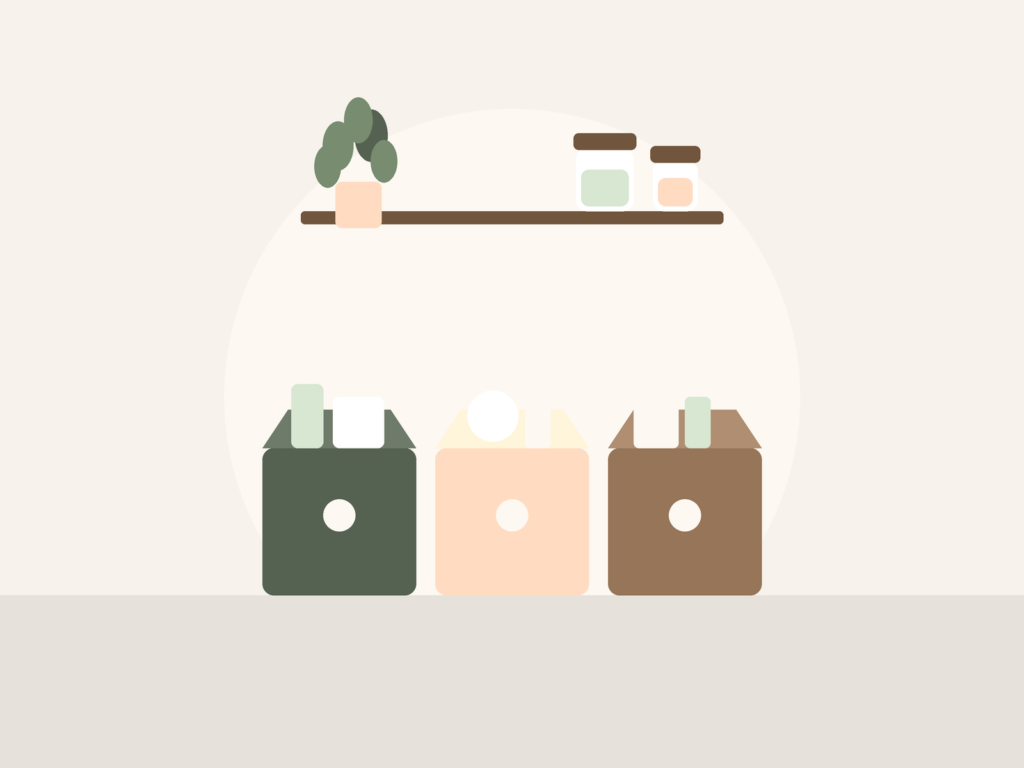
Grab three bags or boxes and label them:
- Trash for broken, expired, or unusable items.
- Recycle for paper, cardboard, glass, and other items your local program accepts.
- Donate for clean, working items someone else could use.
Set a Time Limit
Work in 10- to 20-minute sessions. Short sessions keep decision fatigue low and make it easier to come back tomorrow.
Know Your Local Rules
Some items, such as batteries, electronics, medications, and paint, shouldn’t go in household trash. Check your local waste authority or pharmacy for safe disposal options before you toss them.
Kitchen: 12 Things to Throw Away
- Expired pantry foods such as old spices, stale crackers, and forgotten baking supplies.
- Old condiments lingering at the back of the fridge door past their best-by dates.
- Takeout containers without lids (or lids without containers).
- Extra plastic bags beyond the handful you actually reuse.
- Duplicate utensils, like the third spatula or fourth can opener.
- Scratched nonstick pans with flaking or heavily damaged coating.
- Chipped mugs and glasses that could crack or cut.
- Single-use gadgets you never use, such as a garlic peeler still in its box.
- Worn-out sponges and dish brushes.
- Stained or holey dish towels (or move them to the rag bin).
- Takeout menus and condiment packets collected in a drawer.
- Old appliance manuals, since most are available online.
Bathroom: 10 Things to Throw Away
- Expired medications, disposed of through a pharmacy take-back program or local guidance.
- Old makeup that has changed texture, color, or smell.
- Dried-out nail polish.
- Hotel toiletries you’ve been saving for years.
- Nearly empty bottles of shampoo, lotion, and cleaner.
- Old toothbrushes (or keep one for scrubbing grout).
- Frayed or scratchy towels, which animal shelters sometimes accept.
- Hair ties and accessories that are stretched or broken.
- Razors with dull blades, disposed of safely.
- Skincare samples you know you won’t use.
Bedroom and Closet: 10 Things to Throw Away or Donate
- Socks without partners.
- Underwear and bras that are stretched out or uncomfortable.
- Clothes that don’t fit and haven’t for a long time.
- Items with permanent stains or damage you won’t repair.
- Shoes that hurt every time you wear them.
- Wire hangers from the dry cleaner, which many cleaners will take back.
- Old pillows that have gone flat or lumpy.
- Costume jewelry that’s tarnished or broken.
- Bags and purses you never reach for.
- Worn-out bedding with holes or pilling.
Living Room and Home Office: 10 Things to Throw Away
- Dried-out pens and markers.
- Mystery cables and chargers for devices you no longer own, taken to e-waste recycling.
- Dead batteries, recycled through a drop-off point.
- Old magazines and catalogs.
- Junk mail and expired coupons.
- Receipts you don’t need for returns, warranties, or taxes.
- Outdated paperwork, shredded if it contains personal information.
- Broken decor you’ve been meaning to fix for ages.
- DVDs, CDs, or games you no longer play.
- Greeting cards without special meaning (keep the ones that matter).
Everywhere Else: 8 More Things to Let Go
- Free promotional items like tote bags, water bottles, and keychains.
- Old keys when you don’t know what they open.
- Empty boxes saved “just in case.”
- Expired car or emergency supplies, which you should replace afterward.
- Toys with missing pieces or that children have outgrown.
- Dried-up craft supplies, such as glue and paint.
- Old cleaning products you don’t use, disposed of according to local rules.
- Anything you’ve been “meaning to deal with” for over a year.
How to Decide What Stays
Some items are easy to let go of. Others trigger hesitation. These questions can help you decide quickly:
- Have I used it in the last year? If not, will I realistically use it soon?
- Would I buy it again today? If the answer is no, it may be time to release it.
- Do I have a duplicate that does the same job?
- Is it broken, and will I actually repair it? Be honest about repair plans.
- Am I keeping it out of guilt? Gifts can be appreciated without being kept forever.
Handling Sentimental Items
Sentimental objects are the hardest category, so save them for last when your decision-making muscles are warmed up. Consider keeping a single “memory box” per person. When it’s full, choose your favorites rather than adding more storage. Taking a photo of an item before letting it go can also help you keep the memory without the physical clutter.
A Quick Decluttering Plan for Today
If you want to see progress in under an hour, try this sequence:
- 10 minutes: Clear expired food and condiments from the kitchen.
- 10 minutes: Sort the bathroom cabinet and toss expired products.
- 10 minutes: Pull obvious discards from your closet, such as unmatched socks and items that don’t fit.
- 10 minutes: Gather paper clutter and recycle or shred it.
- 10 minutes: Bag up donations and put them in your car or by the door.
That last step matters. Donations that stay in the house tend to drift back into closets. Schedule a drop-off right away.
Keeping Clutter From Coming Back
- Adopt a one-in, one-out rule for categories that tend to overflow, such as mugs, shoes, or kitchen gadgets.
- Keep a donation bag in a closet and drop items in whenever you notice something you no longer need.
- Handle mail daily by recycling junk immediately at the door.
- Decline freebies you don’t need, such as promotional items and extra packets.
- Schedule a quick seasonal sweep to catch what’s built up over a few months.
Frequently Asked Questions
Should I throw things away or donate them?
Donate items that are clean, safe, and working. Broken, stained, expired, or unsafe items belong in the trash or a specialized recycling stream. Donation centers have limited capacity, so only pass along what someone could genuinely use.
How do I safely dispose of electronics and batteries?
Most areas have e-waste drop-off points, and many electronics retailers accept old devices and batteries. Check your local government’s waste website for options, and wipe personal data from phones and computers before letting them go.
What if I regret throwing something away?
Regret is less common than most people expect, especially when you focus on obvious discards first. Start with expired, broken, and duplicate items. If you’re truly unsure about something, put it in a dated box and revisit it in a few months.
How often should I declutter?
A small daily habit, such as clearing mail and wiping counters, combined with a short seasonal sweep works well for most households. Larger decluttering sessions are only needed after big life changes like moving or a new baby.
Lighter Spaces, One Bag at a Time
Decluttering doesn’t need to be dramatic to be effective. Every expired bottle, mismatched sock, and dead pen you remove gives you a bit more space and a bit less to manage. Start with one room and one bag today, and let the momentum build from there.

Leave a Reply