If you are new to Chinese tea, three names show up again and again: green tea, oolong tea and pu-erh tea.
They are all made from the same tea plant, Camellia sinensis, but they can taste completely different. Green tea can be fresh and grassy. Oolong can be floral, roasted or creamy. Pu-erh can be earthy, deep and surprisingly smooth.
That variety is part of what makes Chinese tea interesting. It is also what makes it confusing.
So if you are standing at the beginning, wondering which one to try first, this guide will help you choose without needing to understand every tea term in the world.
The Short Answer
If you want the easiest first cup, start with oolong tea.
Oolong is usually more forgiving than green tea and less unusual than pu-erh. It gives you a clear sense of what makes Chinese tea special: changing flavors, multiple steeps and a slower drinking rhythm.
If you already enjoy light, fresh drinks, green tea may be your best first choice.
If you like deep, earthy, aged or almost coffee-like flavors, pu-erh may interest you more.
Here is the simple version:
| Tea type | Best for | Beginner difficulty |
|---|---|---|
| Green tea | Fresh, light, grassy flavors | Medium |
| Oolong tea | Floral, roasted or complex flavors | Easy to medium |
| Pu-erh tea | Earthy, deep, fermented flavors | Medium to advanced |
What Is Green Tea?
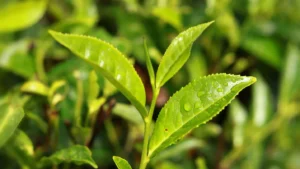
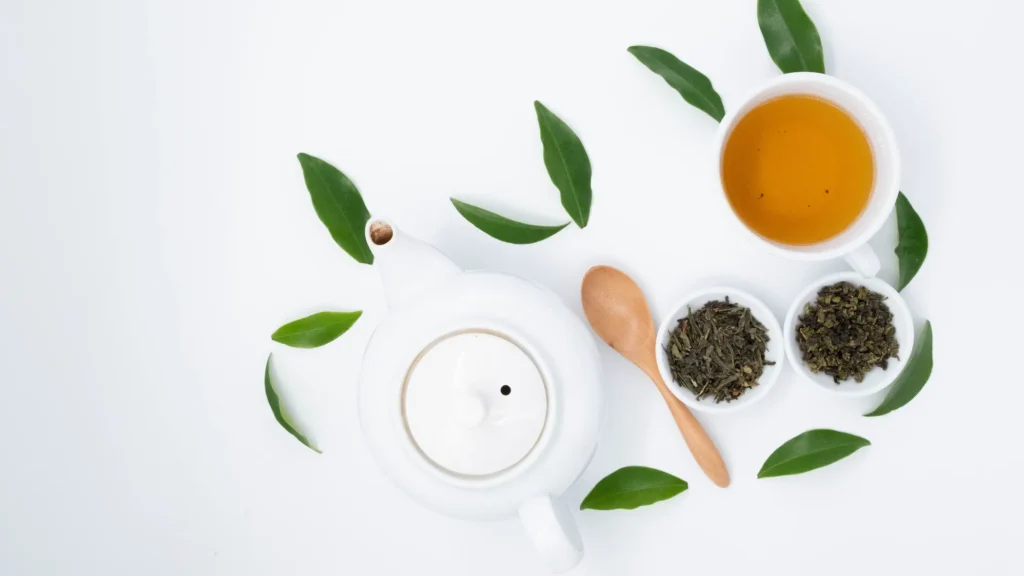
Green tea is one of the most familiar types of Chinese tea. It is made from leaves that are heated soon after picking, which helps preserve their green color and fresh taste.
Chinese green tea often tastes lighter and more delicate than many bottled or tea bag versions. It can be grassy, nutty, sweet, vegetal or slightly floral depending on the tea.
Some famous Chinese green teas include Longjing, Biluochun and Huangshan Maofeng.
What Does Green Tea Taste Like?
Green tea usually tastes fresh and clean. Some green teas remind people of spring vegetables, toasted chestnuts, fresh grass or soft flowers.
At its best, green tea feels bright and refreshing.
At its worst, it tastes bitter, sharp or overly grassy. That usually happens because the water is too hot or the tea has steeped too long.
This is the main beginner problem with green tea: it is simple, but not always forgiving.
Who Should Try Green Tea First?
Green tea is a good first choice if you like:
- Light flavors
- Fresh and clean drinks
- Lower intensity tea
- A morning or afternoon cup that feels refreshing
- Tea without milk or sugar
Green tea may not be the best first choice if you want something rich, dark or cozy. It is also not ideal if you do not want to think about water temperature at all.
For green tea, boiling water is often too aggressive. Cooler water makes a big difference.
What Is Oolong Tea?
Oolong tea sits between green tea and black tea. It is partially oxidized, which means the leaves are processed in a way that creates a wide range of flavors.
This is why oolong can be hard to define in one sentence. Some oolongs are light and floral. Some are roasted and nutty. Some are creamy. Some are dark, mineral and almost coffee-like.
Examples include Tieguanyin, Wuyi rock tea and Taiwan high mountain oolong.
If green tea is fresh and pu-erh is deep, oolong is the flexible middle path.
What Does Oolong Tea Taste Like?
Oolong can taste like flowers, honey, roasted nuts, minerals, cream, fruit, wood or warm grain.
A light oolong may feel delicate and fragrant. A roasted oolong may feel deeper and more comforting. A Wuyi-style oolong can have a rocky, mineral quality that feels very different from green tea.
This variety makes oolong one of the most enjoyable categories for beginners. You can try several oolongs and feel like you are exploring different worlds without leaving the same tea category.
Who Should Try Oolong First?
Oolong is a good first choice if you like:
- Complex but approachable flavors
- Tea that changes over multiple steeps
- Floral or roasted aromas
- A balance between light and rich
- A tea that feels special without being too strange
For many beginners, oolong is the safest recommendation. It is interesting enough to show why loose leaf Chinese tea is worth exploring, but usually not as sensitive as green tea or as unfamiliar as pu-erh.
If you are unsure where to start, try Tieguanyin or a lightly roasted oolong.
What Is Pu-erh Tea?
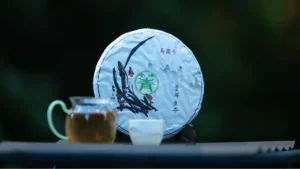
Pu-erh is a fermented tea from Yunnan, China. It is often compressed into cakes, bricks or small nests, although loose pu-erh also exists.
There are two main types: sheng pu-erh and shou pu-erh.
Sheng pu-erh is often called raw pu-erh. Young sheng can taste bright, bitter, floral or grassy, while aged sheng can become deeper, smoother and more complex.
Shou pu-erh is often called ripe pu-erh. It goes through an accelerated fermentation process and usually tastes earthy, dark, smooth and mellow.
Pu-erh has a personality. Some people love it immediately. Some people need time.
What Does Pu-erh Tea Taste Like?
Pu-erh can taste earthy, woody, mellow, sweet, damp, aged, mineral or sometimes slightly medicinal.
Good shou pu-erh can feel smooth and grounding, almost like a quiet alternative to coffee. Good aged sheng pu-erh can be complex and layered.
But pu-erh is also easy to misunderstand. Low-quality pu-erh may taste muddy, fishy or flat. Young sheng pu-erh can be bitter if brewed too strongly.
That does not mean pu-erh is bad. It means pu-erh is a category where quality, storage and brewing matter a lot.
Who Should Try Pu-erh First?
Pu-erh is a good first choice if you like:
- Darker drinks
- Earthy or aged flavors
- Coffee, whiskey or fermented foods
- A heavier tea experience
- Tea that feels grounding after meals
Pu-erh may not be the easiest first Chinese tea if you prefer fresh, sweet or floral drinks.
If you are curious but cautious, start with a clean, loose shou pu-erh from a reliable seller. It is usually more beginner-friendly than young sheng pu-erh.
Caffeine: Which One Is Stronger?
Caffeine depends on the leaf, harvest, brewing method and amount of tea used, so it is difficult to rank perfectly.
In everyday beginner terms:
- Green tea often feels lighter
- Oolong can range from gentle to fairly strong
- Pu-erh can feel grounding and steady, especially when brewed strong
The biggest factor is usually how much leaf you use and how long you steep it.
If you are sensitive to caffeine, drink Chinese tea earlier in the day and avoid very strong gongfu-style sessions at night.
Brewing Difficulty
Green tea is easy in theory but sensitive in practice. Use cooler water and shorter steeping times.
Oolong is more flexible. Many oolongs handle hot water well and can be re-steeped several times.
Pu-erh is forgiving in some ways, especially shou pu-erh, but the flavor may be unfamiliar. It also benefits from rinsing and short steeps if you brew it gongfu style.
For beginners, the easiest path is:
- Start with oolong
- Try green tea with cooler water
- Explore pu-erh when you want deeper flavors
Which Tea Is Best for Morning?
Green tea is nice for a light morning, especially if you want something clean and refreshing.
Oolong is excellent for a focused morning or slow work session. It has enough character to feel intentional without being heavy.
Pu-erh can work well after breakfast or lunch, especially if you like a darker, more grounding drink.
If you are replacing coffee, oolong or pu-erh may feel more satisfying than green tea.
Which Tea Is Best After Meals?
Pu-erh is often enjoyed after meals because of its deep and smooth character. Shou pu-erh especially feels comfortable after heavier food.
Roasted oolong is also a good choice after meals. It can feel warm, nutty and calming.
Green tea can work after a light meal, but it may feel too sharp if brewed strongly.
Which Tea Feels Most Relaxing?
This depends on your taste.
Green tea feels fresh and quiet.
Oolong feels graceful and layered.
Pu-erh feels deep and grounding.
For a beginner-friendly slow living ritual, oolong is probably the best balance. It rewards attention, changes over multiple steeps and does not demand perfection.
A Simple Buying Guide
If you want to buy one tea from each category, choose:
- Green tea: Longjing or jasmine green tea
- Oolong tea: Tieguanyin or a light roasted oolong
- Pu-erh tea: loose shou pu-erh
Buy small amounts first. Do not buy a large pu-erh cake or expensive collector tea before you know what you like.
Samples are your friend.
Beginner Mistakes to Avoid
Do not brew green tea with boiling water unless the tea specifically handles it well.
Do not assume all oolong tastes the same. Light Tieguanyin and roasted Wuyi oolong can feel like completely different drinks.
Do not judge pu-erh from one cheap or poorly stored tea.
Do not buy too much teaware before understanding your taste.
Most importantly, do not treat tea like a test. You are allowed to prefer the simple one.
My Recommendation
If you are completely new to Chinese tea, start with oolong.
Choose a beginner-friendly Tieguanyin or light roasted oolong. Brew it simply. Taste it across two or three steeps. Notice how the flavor changes.
After that, try green tea with cooler water. Then try shou pu-erh when you want something deeper and darker.
This order gives you a smooth introduction:
- Oolong for balance
- Green tea for freshness