Chinese tea can feel intimidating at first.
There are unfamiliar names, tiny cups, special teapots, water temperatures, brewing styles, and strong opinions everywhere. One person tells you to buy a gaiwan. Another says you need a Yixing teapot. Someone else says green tea is delicate, pu-erh is complicated, and oolong is where the real magic begins.
If you are new, that is a lot.
The good news is simple: you do not need to understand everything before enjoying Chinese tea. You only need a gentle starting point, a few reliable teas, and a brewing method that does not make the process feel like homework.
This guide is for complete beginners. No jargon, no ceremony, no pressure.
What Makes Chinese Tea Different?
Chinese tea is usually loose leaf tea made from the tea plant, Camellia sinensis. The main difference is how the leaves are processed, brewed, and enjoyed.
Instead of using one tea bag for one large mug, Chinese tea is often brewed with loose leaves and re-steeped several times. Each steep can taste a little different. The first cup may be light and fragrant, the second richer, the third softer and sweeter.
This is one reason Chinese tea feels slower than coffee or tea bags. It invites you to pay attention.
But that does not mean it has to be formal. You can start with a mug, a simple infuser, and good loose leaf tea.
The Main Types of Chinese Tea
There are many kinds of Chinese tea, but beginners can start with five broad categories.
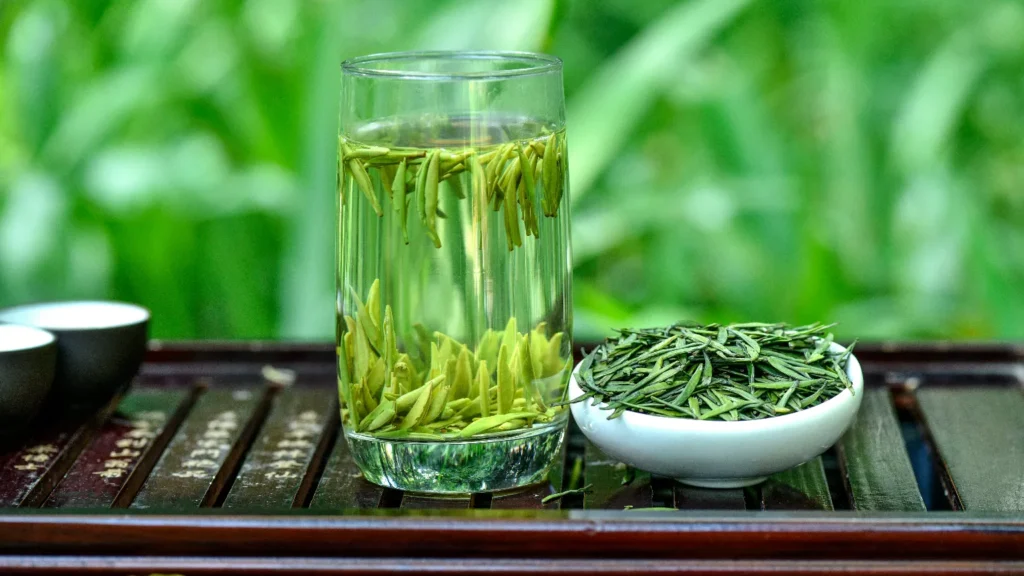
Green Tea
Green tea is fresh, light, grassy, and sometimes nutty. It is not oxidized, which means the leaves are processed quickly to preserve their green color and delicate flavor.
Good for you if you like: light, refreshing drinks.
Beginner note: green tea can become bitter if the water is too hot. Use cooler water, not boiling water.
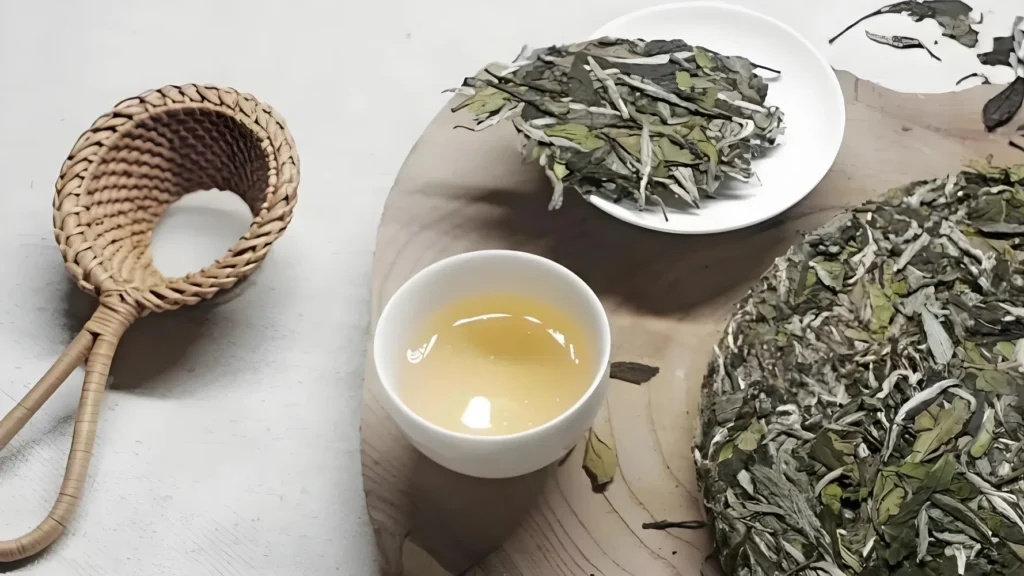
White Tea
White tea is gentle, soft, and naturally sweet. It is one of the easiest teas to enjoy casually because it is forgiving and mild.
Good for you if you like: subtle, clean, mellow flavors.
Beginner note: white tea is a nice choice if green tea tastes too sharp to you.
Oolong Tea
Oolong sits between green tea and black tea. It can be floral, creamy, roasted, fruity, or deep and mineral-like depending on the style.
Good for you if you like: complex flavors that change over multiple steeps.
Beginner note: oolong is one of the best categories for exploring Chinese tea because it has so much variety.
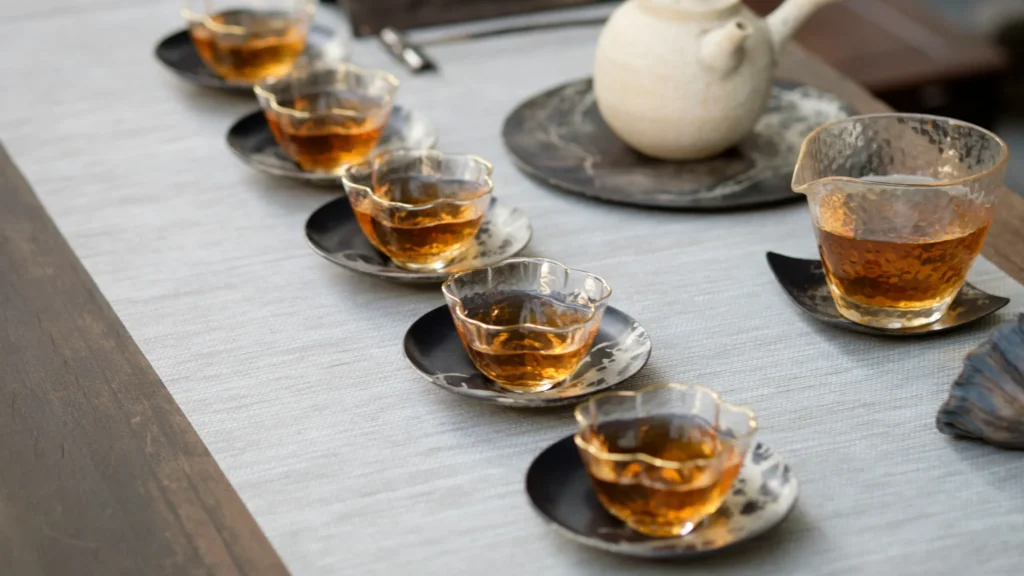
Black Tea
In Chinese tea, black tea is often called “red tea” because of the color of the brewed liquid. It is warm, smooth, sweet, malty, and easy to drink.
Good for you if you like: cozy, familiar, comforting tea.
Beginner note: Chinese black tea is usually less harsh than many strong breakfast teas.
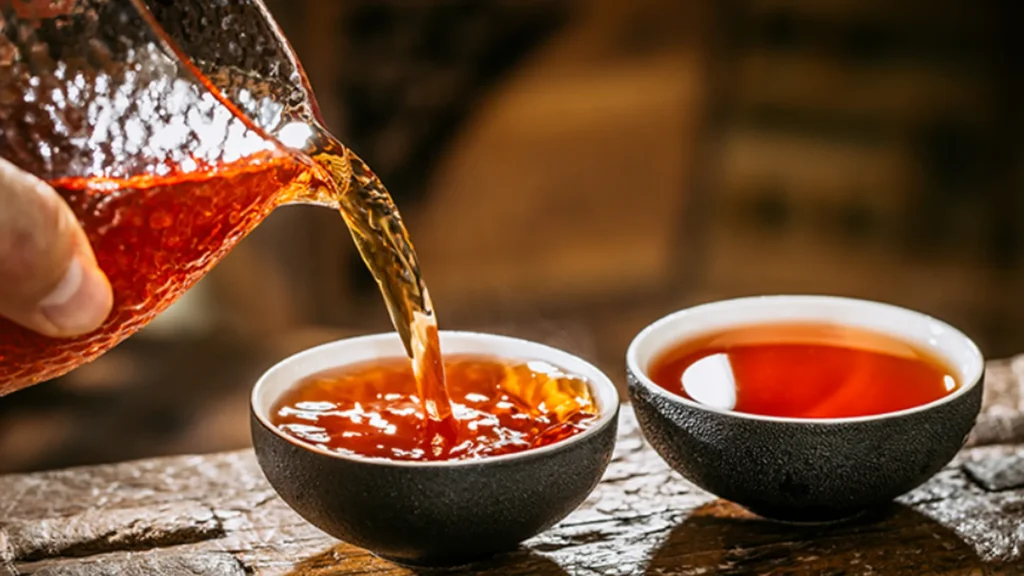
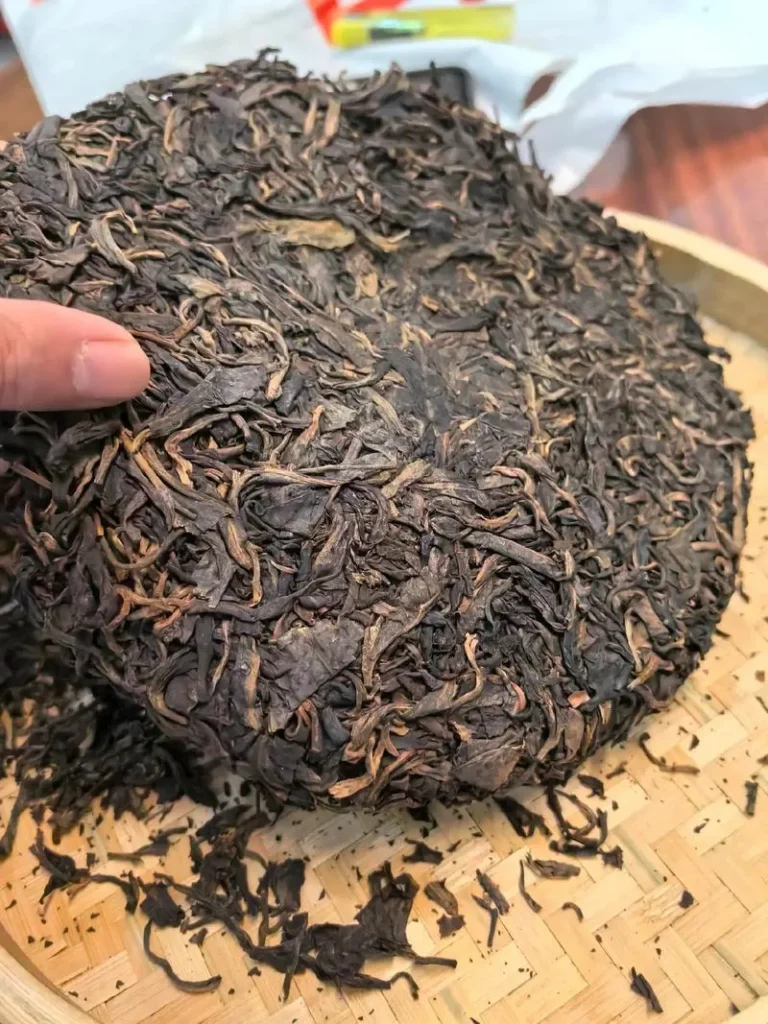
Pu-erh Tea
Pu-erh is fermented tea from Yunnan. It can taste earthy, woody, sweet, clean, aged, or sometimes challenging depending on the type.
There are two main kinds: sheng pu-erh and shou pu-erh.
Good for you if you like: deep, grounding, unusual flavors.
Beginner note: pu-erh is fascinating, but it does not have to be your first step. Try it once you are comfortable with basic brewing.
Which Chinese Tea Should You Try First?
If you are completely new, start with one of these:
- Jasmine green tea
- Tieguanyin oolong
- Dianhong black tea
- White peony tea
- A light roasted oolong
These teas are friendly, easy to understand, and widely available.
If you only want to buy one, choose Tieguanyin oolong or Dianhong black tea. Tieguanyin gives you a good introduction to Chinese oolong, while Dianhong is warm and approachable for people who already enjoy black tea or coffee.
Do You Need Special Teaware?
No, not at the beginning.
You can start with:
- A mug
- A simple tea infuser
- Loose leaf tea
- Hot water
That is enough.
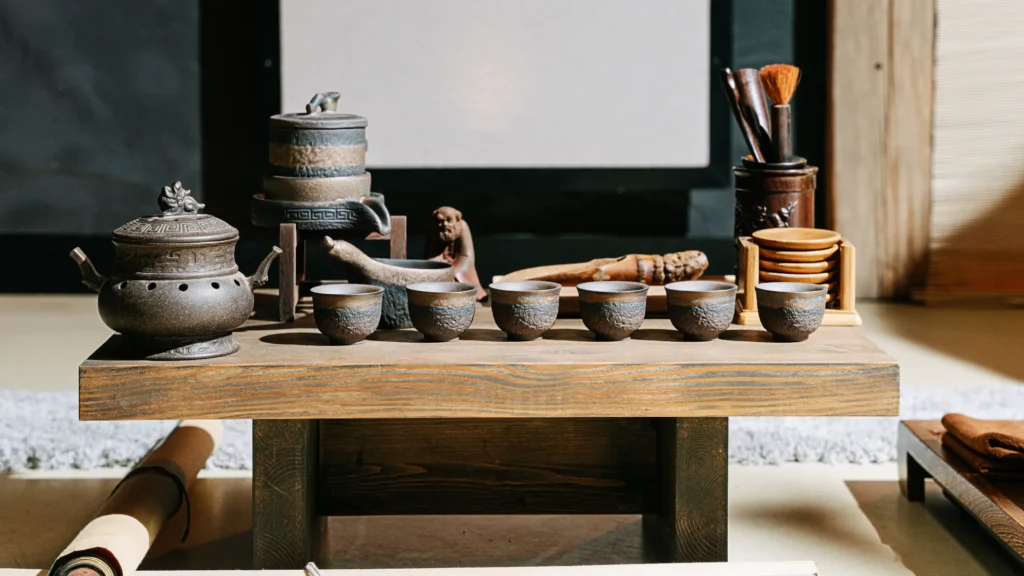
Later, if you enjoy the process, you can try a gaiwan. A gaiwan is a small lidded bowl used for brewing tea. It looks simple, but it gives you more control over steeping and makes it easier to re-steep the same leaves several times.
A Yixing teapot is not necessary for beginners. It can be beautiful and meaningful, but it is better to understand what teas you enjoy before buying one.
The Easiest Beginner Brewing Method
Here is a simple way to brew loose leaf Chinese tea without overthinking it.
Use:
- 1 teaspoon of loose leaf tea
- 1 cup of hot water
- 2 to 3 minutes of steeping time
For green tea, use water around 175°F / 80°C.
For oolong, black tea, white tea, or pu-erh, you can use hotter water, around 195°F to 205°F / 90°C to 96°C.
If the tea tastes too weak, use more leaves or steep longer. If it tastes bitter, use cooler water or steep for less time.
That is the whole learning process.
Tea teaches you through small adjustments.
Why Does Tea Taste Bitter?
Beginner tea usually tastes bitter for one of three reasons:
- The water is too hot
- The tea steeped too long
- There are too many leaves for the amount of water
Green tea is especially sensitive. If you pour boiling water directly over delicate green tea, it can taste sharp, grassy, or unpleasantly bitter.
Try cooler water first. That one change fixes many beginner tea problems.
Can You Re-Steep Chinese Tea?
Yes. In fact, this is one of the best parts of Chinese tea.
Many loose leaf teas can be steeped more than once. Oolong and pu-erh are especially good for this. The flavor often changes from steep to steep.
A tea that seems simple in the first cup may become sweeter, smoother, or more aromatic in the second or third.
If you are using a mug and infuser, just remove the leaves after each steep and add hot water again later.
What Should You Avoid as a Beginner?
Avoid buying too much too soon.
It is easy to fall into the world of beautiful teaware, rare cakes of pu-erh, expensive oolongs, and complicated brewing advice. But if you are new, your goal is not to build the perfect tea table.
Your goal is to discover what you actually enjoy.
Start with small samples. Try different categories. Notice what you reach for naturally.
Also avoid judging Chinese tea from one bad cup. A bitter green tea or dusty pu-erh does not represent the whole world of tea.
A Simple Beginner Tea Path
If you want a clear path, follow this order:
- Try a Chinese black tea
- Try a floral oolong
- Try a gentle white tea
- Try a fresh green tea with cooler water
- Try pu-erh after you understand your basic preferences
This path moves from familiar to more complex.
It also helps you learn your own taste instead of copying someone else’s.
Chinese Tea Is Not About Being Perfect
The most important thing to understand is this: Chinese tea is not a test.
You do not need perfect technique. You do not need rare leaves. You do not need to perform a ceremony. You do not need to know every region, cultivar, or brewing tradition.
You only need to begin.
Make a cup. Taste it. Adjust one thing next time.
That quiet process is already part of the ritual.
Chinese tea is not just about drinking something warm. It is about slowing down enough to notice what is in front of you.
And that is a beautiful place to start.