
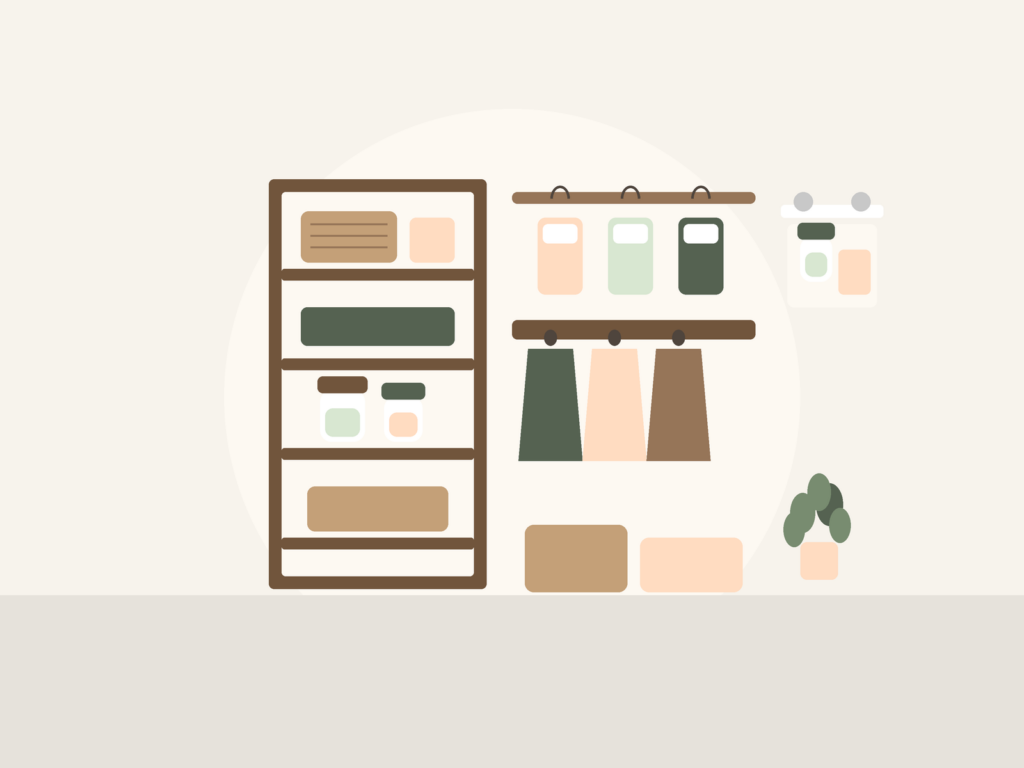
Renting should not mean living out of piles on the floor. With the right approach, you can add serious storage without drilling holes, leaving marks, or risking your deposit. These renter-friendly storage hacks focus on freestanding pieces, tension systems, removable hooks, and over-the-door organizers—so you get a calmer home and walk away with everything when the lease ends.
Below you will find a no-damage toolkit, room-by-room ideas, a simple setup checklist, common mistakes to skip, and answers to the questions renters ask most.
What Counts as Renter-Friendly Storage Hacks
True renter-friendly storage hacks leave walls, doors, and floors looking the way you found them. Prefer solutions that freestand, clamp, hang over a door, or stick with removable adhesives rated for your wall type. Avoid permanent shelves, large wall anchors, and anything that needs a drill unless your landlord has approved it in writing.
Before you buy, walk through your place and note:
- Door thickness and clearance (for over-the-door racks)
- Window and closet widths (for tension rods)
- Floor and under-bed height (for rolling bins and carts)
- Wall finish—paint, tile, or wallpaper—so adhesives match the surface
A quick declutter first makes every hack work harder. If junk is still fighting for space, start with a short decluttering checklist so you only store what you actually use.
The No-Damage Storage Toolkit
You do not need a full renovation kit. A small set of reusable pieces covers most rental problems:
- Tension rods. Use them inside closets, under sinks, and across narrow alcoves for hanging bins, spray bottles, or a second clothing rail.
- Over-the-door organizers. Soft pockets, slim racks, and hooks turn unused door backs into vertical storage for shoes, toiletries, pantry wraps, or cleaning supplies.
- Removable hooks and strips. Choose weight ratings carefully, press firmly onto clean dry walls, and follow the removal instructions so paint stays intact.
- Freestanding shelves and bookcases. Lean-to or narrow units add capacity without fasteners. Anchor only if your lease allows and you use renter-safe methods.
- Rolling carts and under-bed bins. Mobile storage slides into unused floor volume and moves with you to the next place.
- Baskets and clear bins. Corral loose items so open shelves stay neat and you can see what you own.
Buy the lightest pieces that still support the load. Heavy furniture that scrapes floors can cost as much as a few wall holes when you move out—use felt pads under every foot.
Room-by-Room Renter-Friendly Storage Ideas
Apply the same no-damage rules in every room. Match the hack to the bottleneck you feel every day—shoes by the door, clutter on the counter, or a closet that will not close.
Entry and hallway
- Hang a freestanding coat rack or slim hall tree instead of screw-in wall hooks.
- Place a narrow bench with baskets underneath for shoes and bags.
- Use an over-the-door hook rack on a closet or bedroom door for keys, hats, and totes.
- Add a tension rod low in a closet for hanging umbrellas or totes by their straps.
If your entry has no closet at all, keep the footprint tight: one rack, one bench, and one basket rule beats three mismatched piles. For more studio-scale layouts, see our guide to studio apartment organization ideas on a budget.
Kitchen and pantry
- Slide a slim rolling cart beside the fridge or in a gap for oils, snacks, and overflow cans.
- Stack shelf risers and clear bins inside cabinets—no tools required.
- Mount a tension rod under the sink to hang spray bottles and free the base of the cabinet.
- Hang an over-the-door rack on the pantry or broom closet for wraps, spices, or cleaning cloths.
Cabinet doors and dead corners hold more than you think when everything sits in labeled bins. For deeper pantry work without built-in shelves, pair these ideas with how to organize a small pantry without shelves.
Closet and bedroom
- Add a hanging closet organizer that slips over the existing rod for folded clothes and bags.
- Install a tension double rod if the closet height allows—instant second hanging rail.
- Store off-season clothes in under-bed bins with soft lids so dust stays out.
- Use slim velvet hangers to reclaim rod space without changing the closet structure.
When the closet is a single rod and a shelf, freestanding shoe racks and fabric drawers do more than most permanent upgrades. Walk through a fuller plan in how to organize a small closet with no built-ins.
Bathroom
- Choose freestanding over-toilet shelves that rest on the tank area without drilling into tile.
- Use suction or tension shower caddies rated for wet walls.
- Drop stackable bins under the sink and a lazy Susan for bottles that tip over.
- Hang a slim over-the-door rack for towels, hair tools, or backup toiletries.
Tile and hollow walls make drilling especially risky in rentals. Stick with removable bathroom options—our roundup of small bathroom storage ideas without drilling goes corner by corner.
Living area and multipurpose rooms
- Use a tall narrow bookcase as a room divider and storage wall in one.
- Hide remotes, chargers, and craft supplies in lidded ottomans or closed cubes.
- Park a rolling cart as a mobile side table that becomes a bar or desk shelf when needed.
- Lean a freestanding ladder shelf for plants, books, and baskets against a sturdy wall (no screws).
Step-by-Step: Set Up No-Damage Storage This Weekend
Use this checklist so you do not buy random organizers that never get used.
- Pick one problem zone. Entry clutter, kitchen counters, or the bedroom floor—start where frustration is highest.
- Empty and sort. Keep, donate, trash. Measure the empty space before shopping.
- Choose freestanding or removable first. Cart, bins, tension rod, over-the-door rack, then adhesives only where needed.
- Install gently. Clean surfaces before adhesive hooks. Test tension rods so they are snug but not bowing the frame.
- Contain, then label. One category per bin. Labels beat memory when everyone shares the space.
- Do a one-week review. If something stays empty or always overflows, resize or relocate it—do not add more stuff on top.
Photograph the finished zone. When you move out, those photos help you reverse every temporary fix and reclaim your deposit with less stress.
Common Mistakes Renters Make With Storage
- Drilling first, asking later. One unapproved hole can turn into a repair bill. Get written permission for anything permanent.
- Ignoring weight limits on adhesive hooks. Overloaded strips fail and can peel paint when they fall.
- Buying giant furniture for a tiny footprint. Deep shelves that stick into walkways create new clutter and trip hazards.
- Skipping floor protection. Felt pads and rugs under rolling pieces prevent scratches that look like damage at move-out.
- Storing everything “just in case.” No-damage storage still fills up. Edit seasonally so systems stay usable.
- Mixing categories in one bin. When batteries, cables, and snacks share a basket, the system collapses within a week.
FAQ: Renter-Friendly Storage Without Damage
What storage can I use in an apartment without drilling?
Freestanding shelves, rolling carts, under-bed bins, over-the-door organizers, tension rods, and removable adhesive hooks cover most needs. Prefer these before any screw-in hardware.
Will Command-style hooks damage rental walls?
Used correctly on clean, compatible surfaces and removed slowly per the package directions, quality removable hooks usually leave walls intact. Always test a small spot and avoid freshly painted or delicate wallpaper unless the product is rated for it.
How do I add closet storage without built-ins?
Start with a hanging shelf organizer on the existing rod, add a tension double rod if height allows, and use a freestanding shoe rack or under-bed bins for overflow. No drilling required.
What should I remove before moving out?
Take every freestanding piece, over-the-door rack, tension rod, and adhesive hook with you. Follow removal guides for strips, patch only if your lease requires it, and clean so surfaces match the move-in condition.
Keep Your Rental Calm—and Portable
Renter-friendly storage hacks work because they respect both your daily life and your deposit. Build a toolkit of tension rods, over-the-door organizers, rolling carts, and freestanding shelves; set up one zone at a time; and skip anything that scars the walls. When each item has a home you can pack in a weekend, small spaces feel bigger—and leaving is as simple as reversing what you added.
Ready for the next zone? Pair today’s no-damage wins with a short 15-minute daily cleaning routine so new storage stays clear instead of becoming another place to drop clutter.






Leave a Reply