Once you’ve gotten comfortable brewing tea in a gaiwan — without burning your fingers — a natural next question shows up: should you upgrade to a Yixing teapot? It has a reputation as the “serious” tea drinker’s vessel, and it’s easy to assume that moving up to one is the next logical step. It isn’t, at least not yet. The two vessels aren’t really a beginner-to-advanced progression — they’re built for different situations, and buying a Yixing pot too early can actually work against you.
What Each Vessel Is Actually Built For
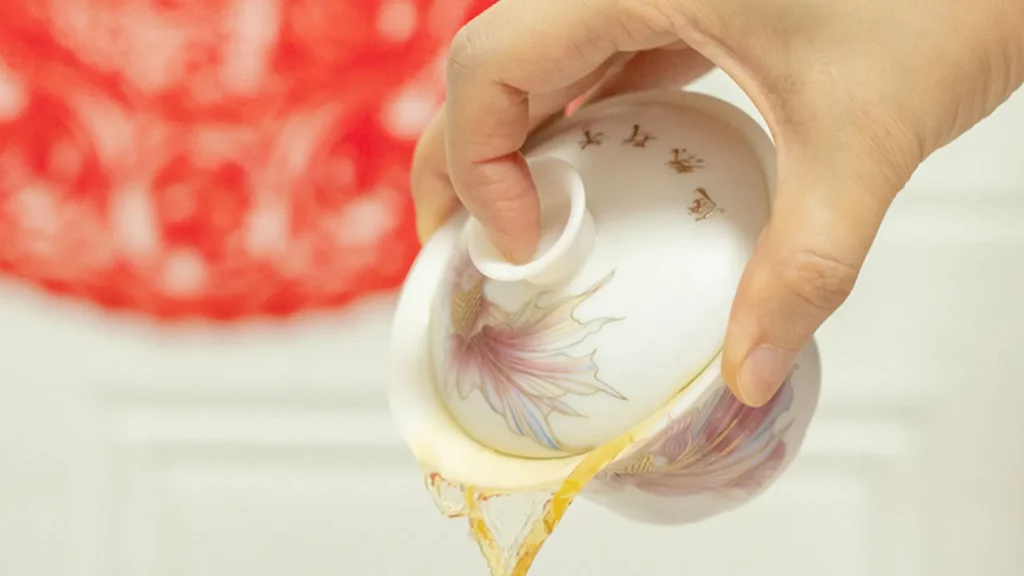
A gaiwan is a generalist. Its plain, non-porous glazed surface doesn’t retain flavor between sessions, which means it can brew green tea one day, oolong the next, and pu-erh after that, with no carryover between them. This makes it the right tool for anyone still exploring what they like — which, if you’re newer to tea, is almost certainly you.
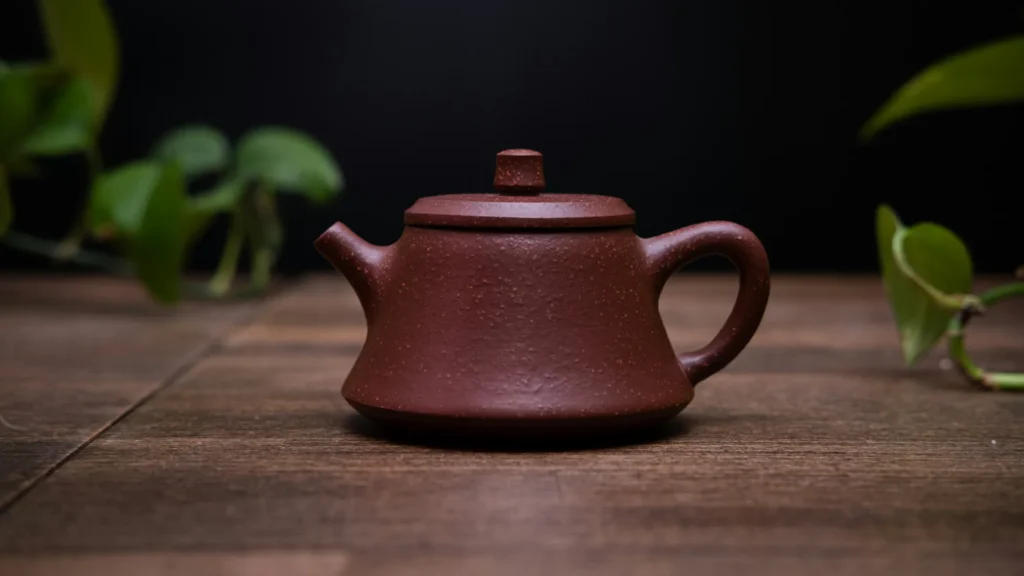
A Yixing teapot is a specialist. It’s made from unglazed clay that’s naturally porous, and over repeated use with the same type of tea, that clay actually absorbs some of the tea’s oils and character over time — a process tea drinkers call “seasoning” the pot. This is the entire appeal of Yixing ware: a well-seasoned pot, used consistently with one tea, can genuinely enhance that specific tea over months and years of use.
The catch is right there in that description: it only works if you commit to one tea (or one closely related family, like all pu-erh, or all rock oolongs) for that specific pot. Use it for wildly different teas, and instead of building up a flattering character, the clay absorbs a muddled mix of flavors that can actually dull each of them.
The Misconception That Trips Up Beginners
A lot of people assume a Yixing teapot is simply the “upgraded” or “nicer” version of a gaiwan — buy the good one once you’re serious. That’s backwards. The two aren’t ranked; they’re suited to different stages of your relationship with tea.
Buying a Yixing pot before you’ve settled on a tea you consistently reach for means one of two things happens: you either use it for a rotating cast of different teas (undermining the entire point of the clay’s seasoning process), or it sits unused while you keep reaching for the gaiwan because it’s genuinely more flexible for someone still figuring out their preferences.
Three Mistakes Beginners Commonly Make Here
1. Buying a Yixing pot and using it for whatever tea is on hand. This is the single most common way a Yixing pot gets “ruined” for beginners — not through any fault of the pot, but through mismatched expectations. If you’re not ready to dedicate a pot to one tea family, you’re not ready for a Yixing pot yet, full stop.
2. Getting drawn in by “master-crafted” or “antique” marketing. The Yixing market has a well-known problem with inflated claims — pots marketed as being made by famous named artisans, or as genuinely old and rare, when in reality a huge share of what’s sold this way is neither. As a beginner, none of this matters anyway: a simple, honestly-made pot from a reputable, straightforward seller does everything a first Yixing pot needs to do, without paying a premium for a story that may not hold up.
3. Underestimating the maintenance involved. A Yixing pot needs to be “opened” before first use (typically a gentle process of rinsing and sometimes brewing plain tea through it to clear dust and any manufacturing residue) and needs consistent care afterward — never washed with soap, wiped rather than fully submerged, and kept exclusively for its designated tea. This is a real, ongoing commitment that a gaiwan simply doesn’t ask of you.
When You’re Actually Ready for a Yixing Teapot
A few honest signs that you’re past the exploration stage and ready to consider one:
- You’ve been reaching for the same tea, or the same narrow family of tea, consistently for a couple of months — not because it’s convenient, but because you genuinely prefer it.
- You’re comfortable dedicating a single pot to that one tea indefinitely, understanding you won’t be using it for anything else.
- You’re aware of, and fine with, the extra care a clay pot requires compared to the low-maintenance nature of a gaiwan.
If all three of those are true, a Yixing pot is a genuinely worthwhile next step. If any of them aren’t yet, the gaiwan is still doing exactly what you need it to do.
Choosing a First Yixing Pot, If You’re Ready
Keep it simple and modest:
- A smaller capacity (100–150ml) is easier to season properly and matches how most people actually brew solo or for one or two guests.
- Skip anything marketed around a named artisan or “antique” status for your first pot — that’s a consideration for a much later purchase, once you actually know enough to evaluate those claims yourself.
- Buy from a source that’s straightforward about the clay type and origin, rather than one leaning heavily on mythology and provenance stories to justify the price.
The Bottom Line
A gaiwan and a Yixing teapot aren’t steps on the same ladder — they’re tools for two different stages of curiosity. Stay with the gaiwan while you’re still exploring, and only reach for a Yixing pot once you’ve actually found the tea you want to commit a piece of clay to for the long run.
Not sure which budget-friendly gaiwan to start with in the meantime? Our guide to best budget gaiwan sets for beginners covers exactly what to look for.
New to the vessel itself? Start with our complete beginner’s guide to using a gaiwan, including leaf ratios, water temperatures, pouring technique, and common mistakes.