If you’ve ever received a tin of tea as a gift from a Chinese friend, colleague, or relative, you may have taken it at face value — a nice, thoughtful present, the same category as a bottle of wine or a box of chocolates. It’s worth knowing that in Chinese culture, tea as a gift usually carries more intention than that. It’s rarely just “here’s something you might like.” It’s a small, deliberate piece of communication.
Tea Gifting Isn’t About the Tea Itself
The first thing to understand is that the tea is often a vehicle, not the point. Gifting tea in Chinese culture typically communicates one of a few specific things:
- Respect, especially toward someone older or in a position of authority — a parent, an elder relative, a teacher, a boss.
- Gratitude, often after someone has done a favor or hosted you.
- The start or maintenance of a relationship, particularly in business contexts, where a gift signals goodwill before a working relationship even begins.
This is part of why the type of tea chosen often matters more than in Western gift-giving, where the sentiment behind a gift usually outweighs the specific item. A cheap, generic tea sends a different message than a well-known regional variety — not because the recipient is expected to be a connoisseur, but because the effort behind the choice is itself part of what’s being communicated.
Why Quality and Presentation Carry Extra Weight
In many Western gift-giving contexts, a thoughtful card or a personal touch can offset a modest gift. Tea gifting works a little differently — the presentation itself is often treated as part of the message.
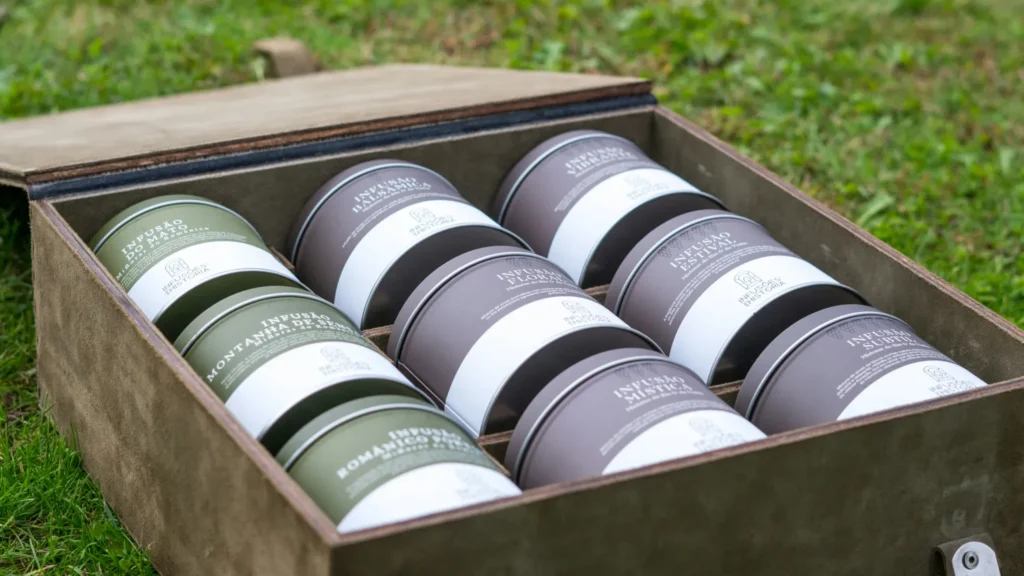
Tea given as a gift is almost always packaged formally: a proper tin or box, sometimes with additional wrapping, rather than a plain bag of loose leaves. This isn’t superficial. A well-presented gift signals that the giver put in real thought and effort, which reflects directly on how much the relationship or the occasion is valued. A hastily wrapped, plain package can undercut an otherwise generous gift — the packaging is doing real communicative work, not just decoration.
This is also why tea gifted for significant occasions — Lunar New Year, weddings, visiting someone’s home for the first time — tends to come from recognizable tea-producing regions or well-regarded producers, rather than whatever’s most convenient. The tea itself becomes a small proxy for the sincerity behind the gesture.
The Occasions Where This Matters Most
A few contexts where tea gifting shows up especially often, each with its own subtle expectations:
- Visiting someone’s home for the first time. Bringing tea (rather than showing up empty-handed) is a basic gesture of respect toward the host, similar to bringing wine to a dinner party in Western culture, but with tea carrying a more specific cultural weight.
- Lunar New Year. Tea is a common gift among extended family, particularly from younger relatives to elders, as a small gesture of respect and good wishes for the year ahead.
- Business relationships. A gift of tea, especially something from a well-regarded region, is a common way to open or reinforce a professional relationship — it signals seriousness and respect without being overly personal.
- Weddings. Tea holds a specific ceremonial role here too — beyond gifting, a tea ceremony is often part of the wedding itself, where the couple serves tea to their parents as a gesture of respect and gratitude.
What This Means If You Want to Gift Tea Thoughtfully
If you’re on the receiving or giving end of this tradition — or simply want to borrow the idea for someone in your own life — a few practical takeaways:
- Presentation matters as much as the tea itself. A modest tea in a well-chosen tin or box often lands better than an excellent tea in plain packaging.
- Regional or well-known varieties carry more weight than obscure ones, even if the obscure option might taste just as good. The recognizability itself is part of what communicates effort.
- Avoid tea that’s purely decorative with no real quality behind it. Novelty gift sets can look appealing on a shelf but often signal the opposite of what you’re going for — that little thought went into the actual content of the gift.
- When in doubt, pair it with context. A brief note about why you chose that particular tea — where it’s from, why you thought of the recipient — does a lot of the same communicative work that the gift itself is meant to carry.
The Bottom Line
Tea gifting in Chinese culture isn’t really about handing someone a pleasant beverage — it’s a small, structured way of saying something that might otherwise go unsaid: respect, gratitude, or the start of a relationship worth investing in. Understanding that changes how you might choose to give it, and how you might read it the next time someone hands you a tin.
If you’re building out your own tea practice at home, our minimalist guide to starting a home tea corner is a good next step — including a few thoughts on how to store gifted tea well once you’ve received it.