If you are trying to choose between loose leaf tea and tea bags, the answer is not as dramatic as tea enthusiasts sometimes make it sound.
Loose leaf tea can offer more aroma, more texture and a more interesting brewing experience. Tea bags are fast, tidy and often exactly what you need when you have five minutes before work.
So, is loose leaf tea actually worth it?
Usually, yes—but only when you care about the parts of tea that loose leaves improve. If your priority is speed and zero cleanup, a good tea bag may be the better choice.
The real question is not which format is “better.” It is which format makes you more likely to enjoy a good cup.
The short answer
Choose loose leaf tea if you want:
- More fragrance and a fuller mouthfeel
- Greater variety and the ability to buy small samples
- Tea that can often be steeped more than once
- A slower, more intentional brewing ritual
- Less individual packaging
Choose tea bags if you want:
- The quickest possible cup
- Easy brewing at work, while travelling or in a hotel room
- No measuring spoon, strainer or tea leaves in the sink
- Predictable portions and simple cleanup
There is also a useful middle ground: larger pyramid bags and sachets. They are still convenient, but give larger pieces of leaf more room to move.
What is the actual difference?
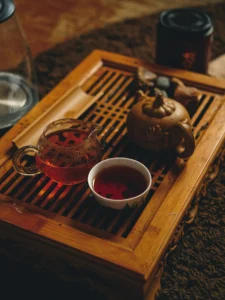
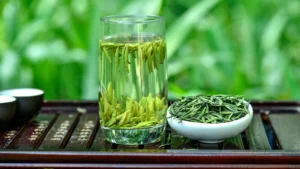
Loose leaf tea is sold as tea leaves without an individual filter. You measure the leaves into a teapot, infuser, gaiwan or mug strainer, then remove them after steeping.
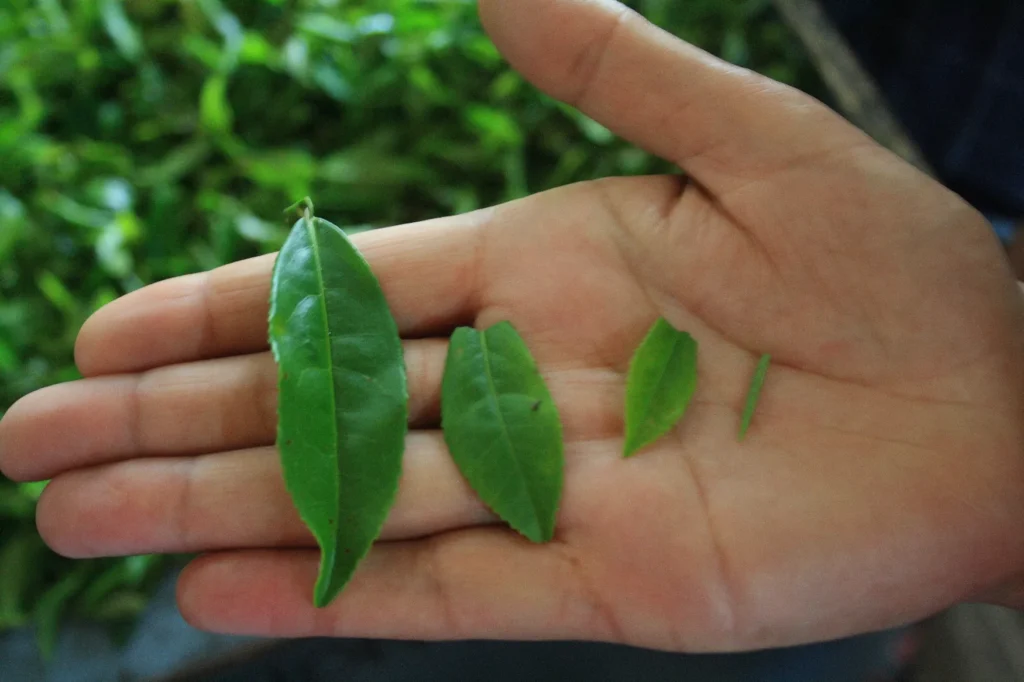
Tea bags contain a pre-measured portion inside a porous filter. Traditional bags often use smaller broken pieces of tea, sometimes called fannings or dust, because those pieces infuse quickly. That is not automatically a bad thing, but it can produce a flatter or more one-dimensional cup.
The important variables are leaf size, tea quality, how much space the leaves have and how fresh the tea is. The word “bag” alone does not tell you whether the tea will taste good.
Flavor: loose leaf usually has the advantage
When whole or large leaves have space to unfurl, they can release aroma gradually. You may notice layers of floral, grassy, fruity, roasted, nutty or mineral flavor as the tea cools.
Many tea bags infuse quickly because the pieces are small. That can be useful, especially for breakfast tea, but it may also make the cup taste strong before it becomes complex. Over-steeping a small-leaf bag can bring out bitterness and dryness quickly.
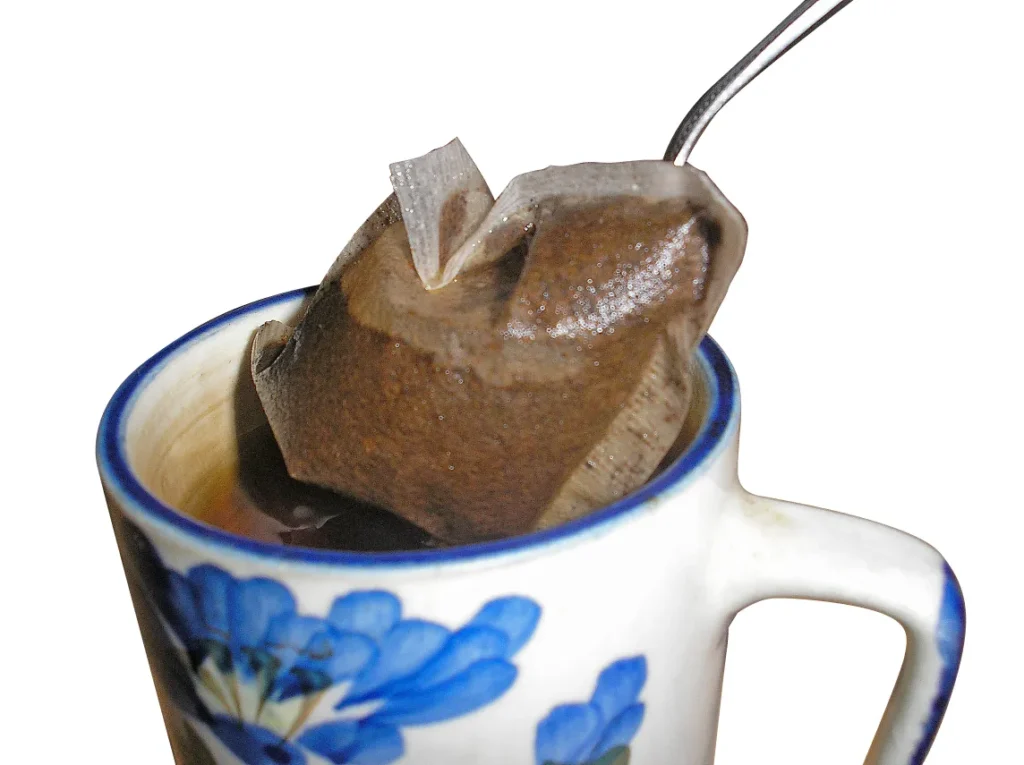
This does not mean tea bags cannot be flavorful. A fresh, well-made bag with a fragrant blend can be more enjoyable than old loose leaf tea that has been stored badly.
Convenience: tea bags win easily
Tea bags are almost impossible to beat for convenience. Boil water, place the bag in your mug, wait, remove it and drink.
Loose leaf tea adds a few small decisions: how much leaf to use, which vessel to choose and how to catch the leaves. That extra work can feel calming when you are at home, but annoying when you are rushing.
For an office drawer, a travel bag or a late-night cup when you do not want dishes, tea bags are practical. Convenience is not a moral failure. A tea ritual that never happens is less useful than a simple cup you actually make.
Cost: it depends on how you measure value
Tea bags often look cheaper because the price per box is familiar. Loose leaf tea can look more expensive at first, especially when you buy from a specialist shop.
But loose leaf tea is often sold by weight, and a small amount can make several cups. Some leaves can be steeped two, three or even more times. The cost per satisfying cup may therefore be closer than the package price suggests.
On the other hand, premium loose leaf tea can become an expensive hobby. Teaware, storage jars and sampler boxes can quickly add to the bill.
The most economical approach is simple: buy a small amount, use a basic infuser and only upgrade when you know what you enjoy.
Caffeine: the format is not the main factor
Loose leaf tea is not automatically stronger or weaker than tea bags. Caffeine depends on the tea variety, leaf material, amount used, water temperature, steeping time and number of infusions.
A large mug made with a generous amount of loose leaf tea may contain more caffeine than a small cup made with one bag. A strongly brewed breakfast tea bag may feel more stimulating than a delicate loose green tea.
If caffeine matters to you, pay attention to the type of tea and how you brew it rather than relying on the format alone. Drink earlier in the day if you are sensitive, and remember that “natural” does not mean caffeine-free unless the tea is an herbal infusion or specifically decaffeinated.
Waste and packaging
Loose leaf tea can reduce the number of individual wrappers and sachets in your kitchen. You still have packaging around the larger pouch or tin, but the format usually creates less material per serving.
Tea bags vary widely. Some use paper, some use plastic fibers, and some use plant-based mesh. The material and disposal guidance can differ by brand, so check the packaging if reducing waste is important to you.
Loose leaves are also easy to compost in many home systems, although you should remove staples, strings and non-compostable packaging first.
Brewing effort: choose your preferred kind of slow
Loose leaf tea asks you to slow down just enough to notice what you are doing. You measure the leaves, watch the color change and decide when the brew is ready. For many people, that is the point.
Tea bags can also become a ritual. You can choose a favorite mug, warm the water properly and take a few quiet minutes while the tea steeps. The ritual does not become less meaningful because the leaves arrived in a bag.
The best format is the one that supports the mood you want. Loose leaf suits curiosity and tasting. Tea bags suit reliability and ease.
Which one should beginners buy?
If you are curious about tea, start with one loose leaf tea and one good tea bag. This is a better experiment than buying a large collection immediately.
For loose leaf, try a forgiving oolong, a black tea or a hojicha-style roasted tea. Use a simple basket infuser in a mug. For tea bags, choose a brand that lists the tea clearly and avoid keeping the box in a hot, humid cupboard for months.
Brew both with fresh water and compare them side by side. Notice the aroma before drinking, how the flavor changes as the cup cools and whether you enjoy making a second infusion.
A simple decision guide
| If you care most about… | Try… |
|---|---|
| Speed and cleanup | Tea bags |
| Aroma and layered flavor | Loose leaf tea |
| Travel and work | Tea bags or sachets |
| Experimenting with origins | Loose leaf tea |
| A repeatable morning cup | Tea bags |
| A slower evening ritual | Loose leaf tea |
| Lower packaging per serving | Loose leaf tea |
| Minimal equipment | Tea bags |
The verdict
Loose leaf tea is worth it when you enjoy flavor, variety and the small act of brewing. It can make an ordinary break feel more spacious, and it often gives you more control over strength and steeping.
Tea bags are worth it when convenience is the thing that gets tea into your day. A carefully chosen tea bag can be fresh, delicious and perfectly suited to a busy routine.
You do not need to choose one format forever. Keep loose leaf tea for weekends, slow mornings or tasting sessions. Keep tea bags for your desk, travel days and moments when you want a warm cup without a project.
The best tea is not the one with the most impressive packaging or the strongest opinion behind it. It is the cup you look forward to making.
New to loose-leaf tea? Our beginner’s guide to Chinese tea explains which teas to try first and how to brew them simply.