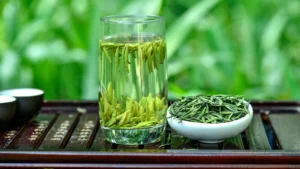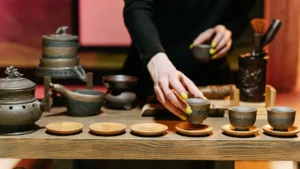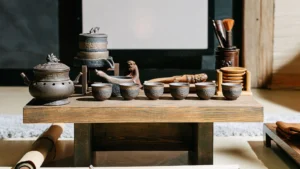
Choosing your first Chinese tea should feel exciting, not stressful.
But once you start looking, the choices can quickly become overwhelming. There are green teas, oolongs, black teas, white teas, pu-erh cakes, tiny sample packs, elegant tins and tea names that sound beautiful but tell you very little if you are new.
The truth is simple: you do not need the rarest tea, the most expensive tea or the tea that experienced drinkers argue about online.
You need a friendly first cup.
This guide gives you five safe Chinese teas for beginners. They are approachable, widely available and different enough from one another to help you understand what kind of tea you naturally enjoy.
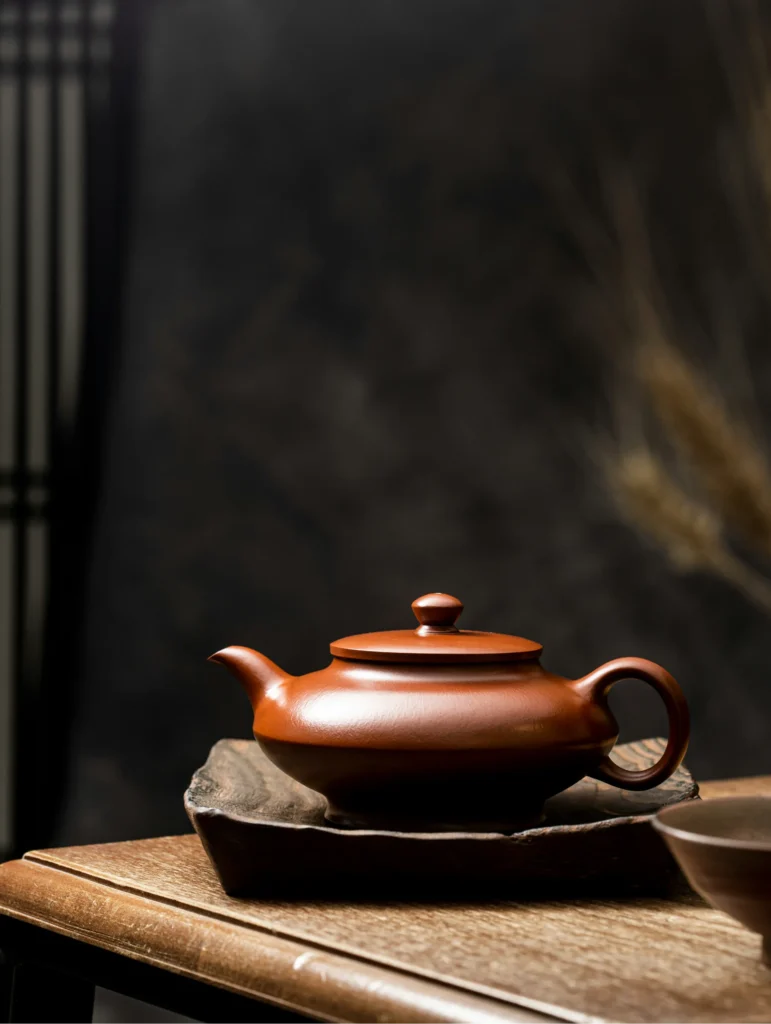
What Makes a Tea Beginner-Friendly?
A good beginner tea should have three qualities.
First, it should taste clear. You should be able to notice something about it right away: floral, sweet, roasted, fresh, smooth or earthy.
Second, it should be forgiving. If you steep it a little too long or use water that is not perfect, it should still taste decent.
Third, it should be easy to buy in small amounts. Beginners should not feel pressured to buy a large cake, an expensive collector tin or a full tea set before they know what they like.
The teas below are not the only good starting points, but they are safe choices for building your first Chinese tea path.
1. Jasmine Green Tea
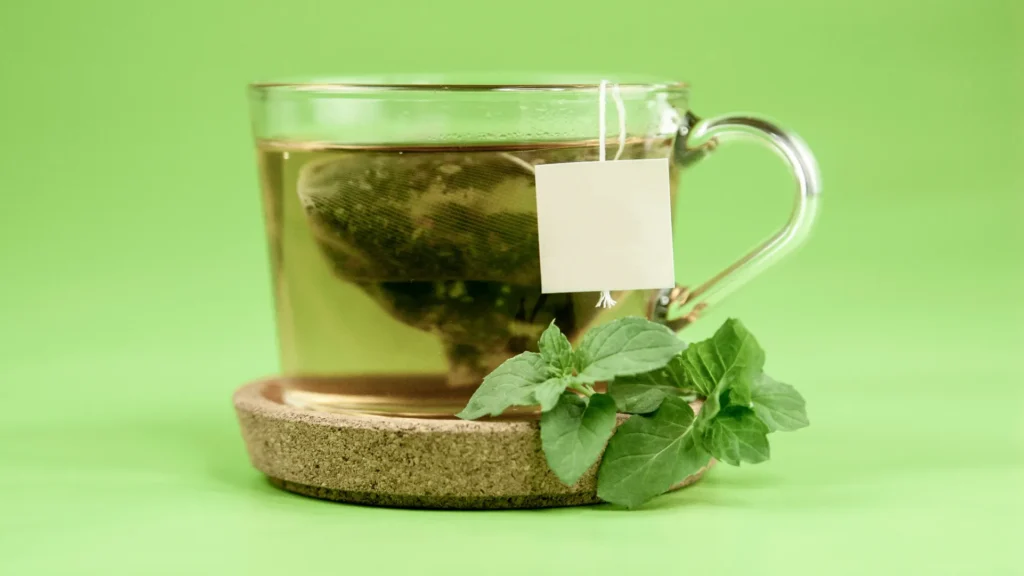
Jasmine green tea is one of the easiest Chinese teas to understand on the first sip.
It combines green tea leaves with the aroma of jasmine flowers. The result is fresh, floral and gentle. Even if you have never tried loose leaf Chinese tea before, jasmine tea feels familiar because the fragrance is so clear.
It is a good first choice if you want something light, clean and calming.
What It Tastes Like
Jasmine green tea usually tastes floral, fresh and slightly sweet. The best versions feel natural rather than perfume-like.
The green tea base can be grassy or soft, while the jasmine aroma gives the cup a graceful, relaxing quality.
If strong black tea or coffee feels too heavy in the afternoon, jasmine green tea can be a lovely alternative.
Beginner Brewing Tip
Use cooler water, not boiling water.
Green tea can become bitter when the water is too hot. A good starting point is around 175F to 185F, or 80C to 85C.
Steep for 1 to 2 minutes first. If the tea tastes too light, steep a little longer next time.
2. Tieguanyin Oolong
Tieguanyin is one of the best Chinese teas for beginners because it feels special without being difficult.
It is an oolong tea, which means it sits somewhere between green tea and black tea. Many beginner-friendly Tieguanyin teas are floral, smooth and lightly creamy.
If you want to understand why people love loose leaf Chinese tea, Tieguanyin is a strong place to begin.
What It Tastes Like
Tieguanyin can taste floral, buttery, creamy, fresh or lightly vegetal. Some versions are greener and brighter. Others are more roasted and warm.
For beginners, a lightly roasted or modern floral Tieguanyin is usually easier to enjoy.
The best part is that Tieguanyin changes across multiple steeps. The first cup may be fragrant, the second fuller, the third softer and sweeter.
That gradual change is one of the pleasures of Chinese tea.
Beginner Brewing Tip
Tieguanyin is more forgiving than green tea. You can brew it in a mug with an infuser or use a gaiwan if you already have one.
Start with hot water around 195F, or 90C.
If using a mug, steep for 2 to 3 minutes. If using a gaiwan, use more leaves and shorter steeps.
3. Dianhong Black Tea
Dianhong is a Chinese black tea from Yunnan.
In China, what English speakers call black tea is often called red tea because of the color of the brewed liquid. Dianhong is one of the friendliest examples for beginners.
It is smooth, warm and naturally sweet. If you are coming from coffee, breakfast tea or milk tea, Dianhong may feel more familiar than green tea or pu-erh.
What It Tastes Like
Dianhong often has notes of honey, malt, cocoa, dried fruit or sweet potato. It can feel cozy without needing milk or sugar.
It is less sharp than many strong Western-style black teas, which makes it a good bridge for people who want to drink tea plain.
This is also a good choice for morning tea because it has enough body to feel satisfying.
Beginner Brewing Tip
Dianhong is forgiving. You can use near-boiling water and still get a pleasant cup.
Start with 2 to 3 minutes in a mug or infuser. If it tastes too strong, shorten the steep. If it tastes too light, use more leaves.
This tea is excellent for learning how small adjustments change the cup.
4. White Peony Tea
White Peony, also called Bai Mudan, is a gentle white tea.
It is one of the most relaxed teas for beginners because it does not demand much. The flavor is soft, clean and naturally sweet. It is less grassy than green tea and less intense than oolong or pu-erh.
If you want a calm, easy tea for slow afternoons, White Peony is a good choice.
What It Tastes Like
White Peony can taste like hay, honey, dried flowers, melon, soft herbs or fresh air after rain.
That may sound poetic, but the experience is simple: it is mild and soothing.
This tea is especially good for people who do not want bold bitterness, roasted flavors or heavy body.
Beginner Brewing Tip
White Peony is flexible. It can handle slightly hotter water than delicate green tea, but it does not need boiling water.
Try 185F to 195F, or 85C to 90C.
Steep for 2 to 4 minutes in a mug. White tea can often be re-steeped, so do not throw the leaves away immediately after the first cup.
5. Loose Shou Pu-erh
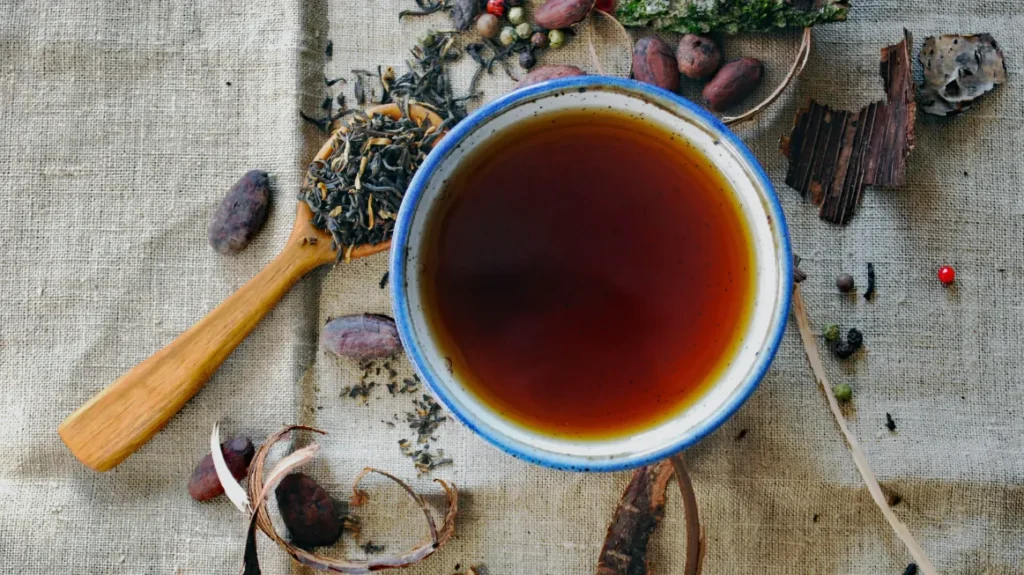
Pu-erh can be intimidating, but loose shou pu-erh is one of the easier ways to start.
Shou pu-erh is fermented tea from Yunnan. It usually tastes darker, smoother and earthier than green tea or oolong.
Some people love it right away. Others need time. But if you enjoy deeper drinks, it is worth trying.
What It Tastes Like
Loose shou pu-erh can taste earthy, woody, mellow, dark and smooth. Some versions have notes of cocoa, forest floor, old wood or dried dates.
That description may sound unusual if you are used to light tea, but a clean shou pu-erh can be very comforting.
It is a good tea for after meals or quiet evenings when you want something grounding.
Beginner Brewing Tip
Buy loose shou pu-erh before buying a full pu-erh cake.
Loose tea is easier to measure and less intimidating. If you use a mug or infuser, steep for 2 to 3 minutes. If the flavor is too strong, use fewer leaves or a shorter steep next time.
Some people quickly rinse pu-erh leaves with hot water before the first real steep. This can help wake up the leaves and soften the first cup.
Which One Should You Try First?
If you want the safest first choice, start with Tieguanyin oolong.
It is interesting, fragrant, forgiving and very good at showing what Chinese tea can offer beyond ordinary tea bags.
If you want something lighter, choose jasmine green tea.
If you want something cozy and familiar, choose Dianhong black tea.
If you want something gentle, choose White Peony.
If you want something deep and earthy, choose loose shou pu-erh.
A Simple Beginner Tea Order
Here is a practical tasting order:
- Jasmine green tea
- Tieguanyin oolong
- Dianhong black tea
- White Peony
- Loose shou pu-erh
This order moves from light and familiar to deeper and more unusual.
You do not need to taste them all in one week. Buy small samples. Brew each tea a few times. Notice what you actually want to drink again.
That matters more than choosing the tea that sounds the most impressive.
What Not to Buy First
Avoid very expensive tea at the beginning.
Avoid large pu-erh cakes unless you already know you like pu-erh.
Avoid fragile green teas if you do not want to manage water temperature.
Avoid complicated tea sets before you understand your own taste.
The beginner stage should be simple. Your job is not to perform expertise. Your job is to build taste slowly.
Final Thoughts
The best Chinese tea for beginners is not the most famous tea. It is the tea that helps you enjoy the next cup.
For some people, that will be the floral comfort of jasmine green tea. For others, it will be the layered beauty of Tieguanyin, the warmth of Dianhong, the softness of White Peony or the quiet depth of shou pu-erh.
Start with small amounts. Brew simply. Pay attention to what feels good.
Chinese tea becomes easier when you stop trying to understand everything at once.
One cup is enough for the beginning.