Tea should not always taste bitter.
Some teas naturally have a little bite. A young sheng pu-erh may feel sharp. A strong black tea may have a dry edge. A green tea can taste grassy and brisk. But if every cup you brew tastes harsh, sour, mouth-drying or unpleasantly bitter, something is probably going wrong in the brewing process.
The good news is that bitter tea is usually easy to fix.
Most beginner tea problems come from a few simple mistakes: water that is too hot, steeping too long, using too many leaves or choosing a tea that does not match your taste yet.
This guide explains the most common reasons tea tastes bitter and how to make your next cup smoother.
1. Your Water Is Too Hot
This is the most common reason green tea tastes bitter.
Many beginners boil water, pour it directly over the leaves and wait. That works for some darker teas, but it can ruin delicate green tea very quickly.
Green tea is especially sensitive because the leaves are not heavily oxidized. Boiling water can pull out bitterness and astringency too fast, making the cup taste sharp instead of fresh.
How to Fix It
Use cooler water for green tea.
A simple beginner range is:
- Green tea: 175F to 185F, or 80C to 85C
- White tea: 185F to 195F, or 85C to 90C
- Oolong tea: 190F to 205F, or 88C to 96C
- Black tea: 195F to 205F, or 90C to 96C
- Shou pu-erh: near boiling water is usually fine
You do not need a perfect thermometer at the beginning. If you only have a kettle, let boiling water rest for a few minutes before using it on green tea.
That one habit can make a bitter cup much smoother.
2. You Steeped the Tea Too Long
Longer steeping does not always mean more flavor. Sometimes it just means more bitterness.
Tea leaves release flavor gradually. First you get aroma, sweetness and body. If the leaves sit too long, especially in hot water, the cup can become harsh and dry.
This happens often with tea bags, green tea and broken leaves, but loose leaf tea can also become bitter if you forget about it.
How to Fix It
Start shorter than you think.
For a mug or cup with an infuser:
- Green tea: 1 to 2 minutes
- Oolong tea: 2 to 3 minutes
- Black tea: 2 to 3 minutes
- White tea: 2 to 4 minutes
- Shou pu-erh: 2 to 3 minutes
If the tea tastes weak, steep a little longer next time. If it tastes bitter, shorten the steep.
The best brewing guide is not a rule. It is your own cup.
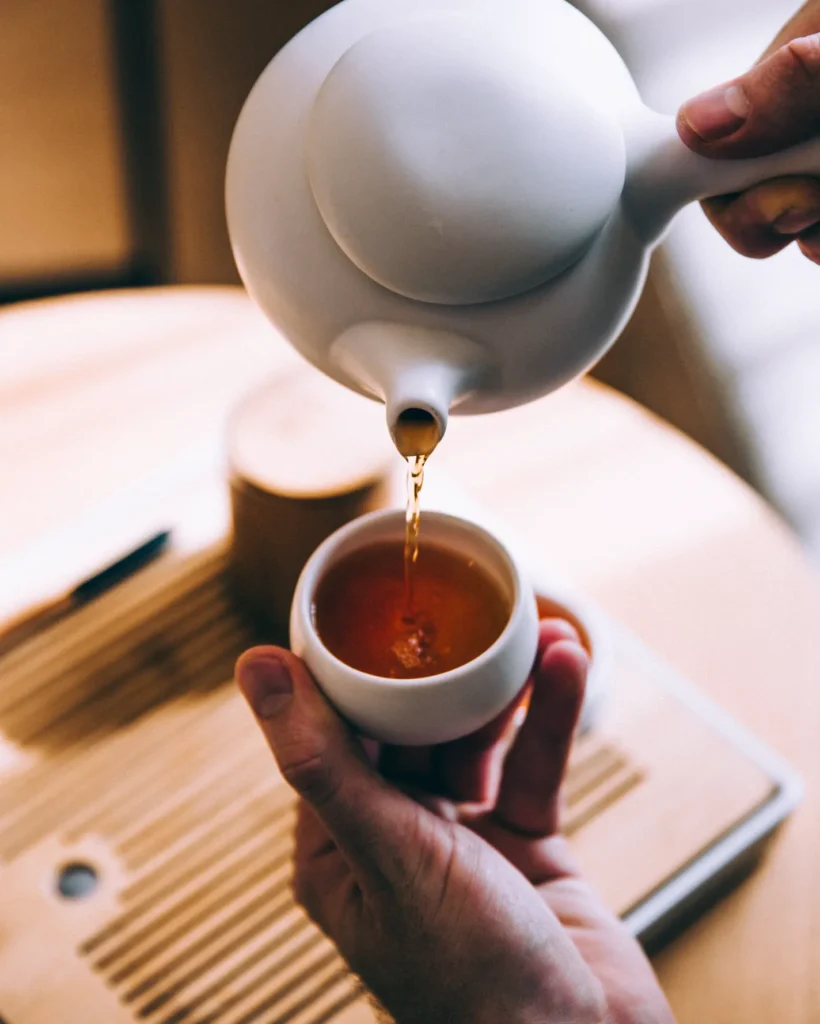
3. You Used Too Many Tea Leaves
More tea leaves can create a richer cup, but too many leaves can overwhelm the water.
Beginners often add extra leaves because they want a stronger flavor. The result can be bitter, heavy and unbalanced, especially if the steeping time is also long.
This mistake is common when switching from tea bags to loose leaf tea. Loose leaf tea expands, and a small spoonful can be stronger than it looks.
How to Fix It
Start with a simple ratio.
For Western-style brewing in a mug, use about:
- 1 teaspoon of loose leaf tea per cup
- 8 ounces, or about 240 ml, of water
- 2 to 3 minutes of steeping time
This is not perfect for every tea, but it is a safe starting point.
If the cup tastes too light, add more leaves next time. If it tastes bitter, use fewer leaves or shorten the steep.
Change one thing at a time. That is how you learn what caused the problem.
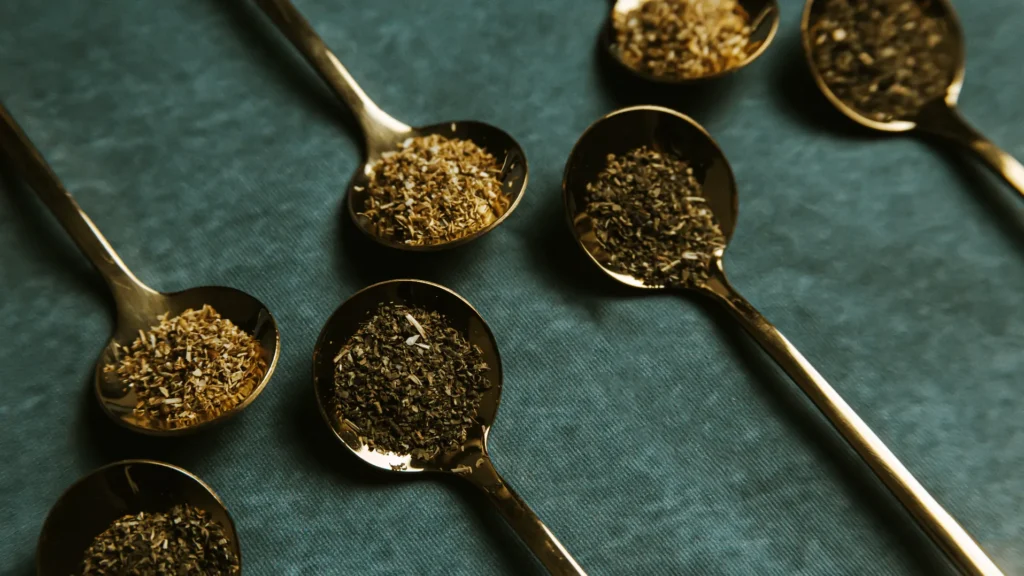
4. You Left the Leaves Sitting in the Water
If the tea leaves stay in the mug while you drink, they keep steeping.
The first few sips may taste fine. Ten minutes later, the tea becomes dark, sharp and unpleasant. This is not because the tea is bad. It is because extraction never stopped.
This often happens with loose leaves dropped directly into a mug.
How to Fix It
Use a removable infuser, small teapot or gaiwan.
The goal is simple: separate the tea leaves from the liquid when the flavor is right.
If you like brewing leaves directly in a mug, drink the tea sooner or add more hot water as you drink. But for beginners, a basic basket infuser makes life much easier.
It gives you control.
5. The Tea Is Low Quality or Too Broken
Not every bitter cup is your fault.
Some tea is simply low quality. Dusty tea bags, stale leaves, poorly stored tea or very broken leaves can release bitterness quickly.
Broken leaves have more surface area, so they brew faster. That can be useful for strong black tea, but it can also make bitterness harder to control.
How to Fix It
Buy small amounts of better tea instead of large amounts of cheap tea.
You do not need rare or expensive tea. You just need tea that is fresh, clean and appropriate for beginners.
Look for:
- Whole or mostly whole leaves
- Clear product descriptions
- Small sample sizes
- Tea stored away from light, heat and moisture
- Sellers that explain brewing suggestions
If a tea tastes bitter no matter how carefully you brew it, try a different tea.
6. You Chose the Wrong Tea for Your Taste
Sometimes the tea is not badly brewed. It is just not your style yet.
Young sheng pu-erh can be bitter. Some green teas are grassy and brisk. Some roasted oolongs have a dry mineral edge. Some black teas are naturally strong.
If you are new, you may read about a famous tea and expect it to taste easy. But famous does not always mean beginner-friendly.
How to Fix It
Choose a gentler starting point.
If your tea keeps tasting too bitter, try:
- Jasmine green tea instead of plain strong green tea
- Tieguanyin oolong instead of young sheng pu-erh
- Dianhong black tea instead of a harsh breakfast tea
- White Peony instead of a very grassy green tea
- Loose shou pu-erh instead of young raw pu-erh
There is no shame in liking smoother tea. Your taste can grow later.
7. You Are Trying to Fix Everything at Once
Tea brewing is simple, but beginners often change too many things at the same time.
They use different leaves, different water, a different cup, a different steeping time and a different amount of tea. Then they cannot tell what helped.
This makes tea feel more complicated than it needs to be.
How to Fix It
Use the one-change rule.
If your tea tastes bitter, change only one thing next time:
- Lower the water temperature
- Shorten the steeping time
- Use fewer leaves
- Remove the leaves sooner
- Try a gentler tea
Do not change all five at once.
A small adjustment teaches you more than a complete reset.
Quick Bitter Tea Troubleshooting Guide
If green tea tastes bitter, use cooler water and steep for less time.
If oolong tastes bitter, use slightly fewer leaves or shorten the first steep.
If black tea tastes bitter, reduce steeping time before changing temperature.
If pu-erh tastes muddy or harsh, rinse the leaves quickly and use shorter steeps.
If every tea tastes bitter, check your leaf amount and make sure you are removing the leaves from the water.
Can You Save a Bitter Cup of Tea?
Sometimes, yes.
You can dilute it with hot water. You can add a little honey. You can turn it into iced tea. You can add milk if it is a strong black tea.
But the better long-term fix is learning why it became bitter in the first place.
Tea is much easier when you stop treating bitterness as a mystery.
Final Thoughts
Bitter tea usually has a reason.
The water may be too hot. The steep may be too long. The leaf amount may be too high. The leaves may be sitting in the water. The tea may be low quality, stale or simply not suited to your taste yet.
Once you know the cause, you can fix the cup.
Start with cooler water, shorter steeps and fewer leaves. Choose beginner-friendly teas. Pay attention to what changes.
Good tea is not about perfect technique. It is about small corrections.
One smoother cup at a time.