“Oolong” gets treated like a single tea category the same way “red wine” does — technically accurate, but not very useful once you’re actually trying to choose a bottle. Oolong covers an enormous range, from dark, roasted, almost coffee-like brews to pale, floral teas that barely resemble each other despite sharing a name. Three regions in particular define most of what you’ll encounter as a beginner: Wuyi (Fujian), Anxi (also Fujian, but a different tradition entirely), and Taiwan’s high mountain oolongs. Here’s how to actually tell them apart.
Why Oolong Varies So Much in the First Place
Oolong is defined by partial oxidation — somewhere between green tea (barely oxidized) and black tea (fully oxidized). That “somewhere” is a wide range, and different regions have settled on very different points along it, combined with different roasting traditions. That’s the real source of the variation: it’s not one recipe with regional flavor tweaks, it’s several genuinely different approaches that all happen to fall under the same umbrella term.
Wuyi Oolong (Fujian) — Rock Tea, Roasted and Mineral
Wuyi oolongs, often called “rock tea” (yancha) because they’re grown in the rocky, mineral-rich terrain of the Wuyi Mountains, sit toward the darker, more heavily oxidized and roasted end of the oolong spectrum.
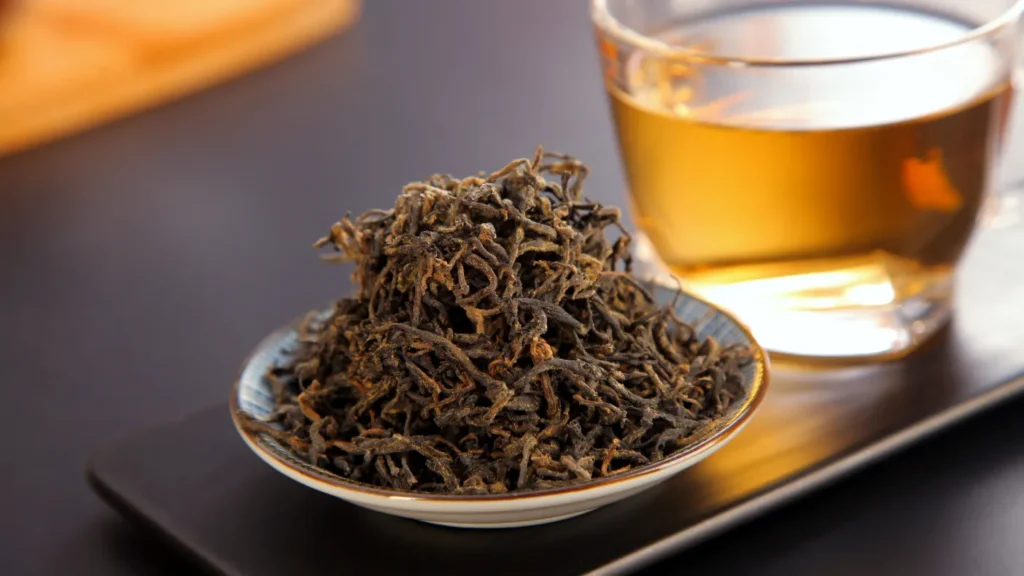
What to expect: Deep, roasted, sometimes smoky or toasty flavors, often with a mineral quality that’s genuinely hard to describe until you’ve tasted it — tea drinkers just call it “rock rhyme” (yan yun). Expect notes that lean toward dried fruit, char, and warmth rather than anything floral or fresh.
Well-known varieties: Da Hong Pao is the most famous name here, though a huge amount of what’s sold as Da Hong Pao today is a blended approximation rather than tea from the handful of original mother trees. Shui Xian and Rou Gui are also common and are a more reliable, less mythologized starting point for a beginner.
Best for: Someone who enjoys darker, more roasted flavors and wants an oolong that feels closer to a light black tea than a green one.
Anxi Oolong (Fujian) — Tie Guan Yin and the Floral End
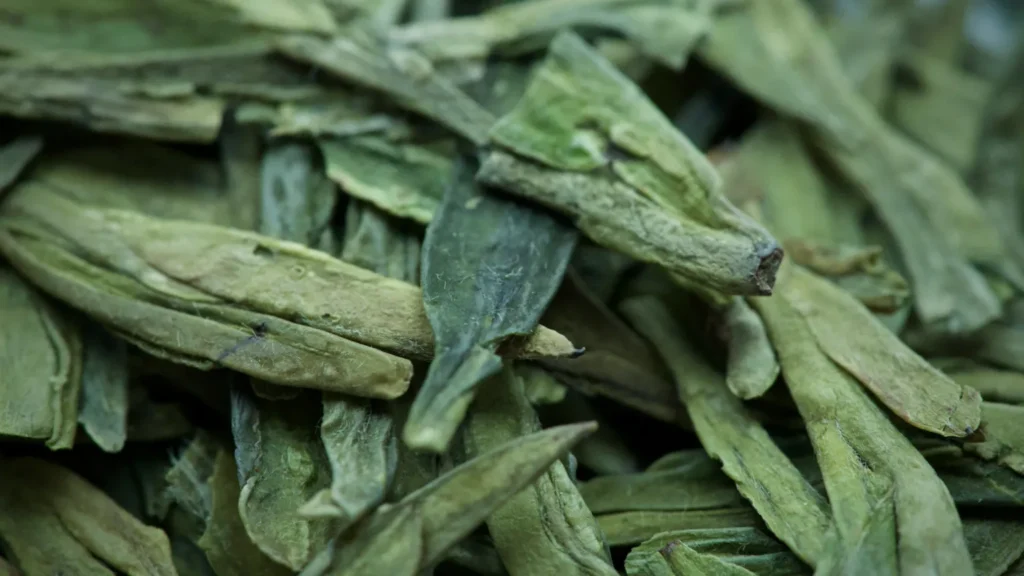
Confusingly, Anxi is also in Fujian province, but the tea tradition there is almost the opposite of Wuyi’s — lighter oxidation, minimal or no roasting in the modern style, and a strong floral character.
What to expect: Tie Guan Yin, by far the most recognizable Anxi oolong, is often described as tasting like orchids — light, fragrant, slightly creamy, with very little of the roasted or mineral quality found in Wuyi tea. Modern “green style” Tie Guan Yin (as opposed to the more traditional roasted style) is especially light and floral, sometimes almost approaching green tea in character.
A useful distinction: Anxi produces both a modern lightly-oxidized style and a more traditional, more roasted style of Tie Guan Yin. If you buy a Tie Guan Yin expecting the floral, green style and get a roasted one instead (or vice versa), it can taste like a completely different tea — worth checking which style a listing is describing before you buy.
Best for: Someone who wants an entry point into oolong that doesn’t feel intimidating — the floral, lighter character is one of the more approachable oolong styles for people coming from green tea.
Taiwan High Mountain Oolong — Elevation-Driven Sweetness
Taiwan’s high mountain (gaoshan) oolongs come from tea grown at significant elevation — often above 1,000 meters — and the altitude itself is a major part of what defines the flavor.
What to expect: Smooth, sweet, often creamy or buttery, with a lingering fragrance that tea drinkers describe as almost floral-sweet rather than fruity or roasted. The high elevation slows the plant’s growth, which is generally credited with producing a more delicate, concentrated flavor compared to lower-elevation tea.
Well-known varieties: Ali Shan and Li Shan are two of the most recognized names, each tied to a specific mountain region, with subtle differences in sweetness and body between them.
Best for: Someone who wants an oolong that’s easy to enjoy without much prior tea experience — high mountain oolong is one of the more universally likeable styles, similar to how Anxi’s floral style works as an entry point, but with a smoother, sweeter profile.
A Simple Way to Keep These Straight
If you’re trying to remember the difference without memorizing regional history, this rough mental model works:
- Wuyi = dark, roasted, mineral. Closer to black tea.
- Anxi = light, floral, fragrant. Closer to green tea.
- Taiwan high mountain = smooth, sweet, creamy. Its own distinct middle ground.
None of these are “better” than the others — they represent genuinely different flavor goals, and which one you prefer says more about your palate than about tea quality.
A Beginner Mistake Worth Avoiding
Don’t judge oolong as a category based on a single bad experience with one style. Someone who tries a rough, overly smoky Wuyi tea and dismisses “oolong” broadly might have loved a floral Tie Guan Yin or a sweet high mountain tea — these three styles are different enough that disliking one tells you almost nothing about whether you’d like the others.
The Bottom Line
Oolong isn’t one flavor experience with regional variations — it’s three genuinely different traditions that happen to share a processing category. Wuyi gives you dark and mineral, Anxi gives you light and floral, and Taiwan high mountain gives you smooth and sweet. Trying one from each region is a far better way to figure out what you actually like than assuming any single cup tells you how you feel about “oolong” as a whole.
If you’re brewing any of these in a gaiwan and still working on technique, our guide on how to brew tea in a gaiwan without burning your fingers covers the basics that apply across all three styles.