Starting loose leaf tea can look more complicated than it really is.
One tea shop has gaiwans, fairness pitchers, tea pets, tasting cups, scales, kettles, trays and enough small accessories to fill an entire shelf. Online guides sometimes make it sound as if you need all of them before you can brew a decent cup.
You do not.
For most beginners, good tea, hot water, one way to control the leaves and one cup are enough. Everything else can come later, if it makes brewing more enjoyable.
This beginner tea tools checklist separates the essentials from the useful upgrades and the equipment you can comfortably skip.
The short checklist
You need
- A kettle or another reliable way to heat water
- A cup, mug or small teapot
- A basket infuser or simple strainer for loose leaves
- Loose leaf tea or tea bags you genuinely want to drink
- Fresh, clean water
Useful but optional
- A kitchen scale
- A timer
- A temperature-controlled kettle
- A tea tray or small plate
- An airtight storage container
You can skip for now
- A large teaware collection
- An expensive handmade teapot
- A tea pet
- A fancy electric tea table
- A dozen specialized cups
- Every tool used in a formal tea ceremony
The goal is not to own the perfect setup. The goal is to make a good cup easily enough that you keep brewing.
1. A kettle: the most important tool
You need a reliable way to heat water. A basic electric kettle is completely fine. A stovetop kettle works too. If you already have one at home, start there.
The most important features are practical:
- It heats water safely
- It is easy to pour
- It is large enough for your usual serving
- It is easy to clean
A gooseneck kettle can give you more control when pouring, but it is not necessary for everyday tea. A standard kettle can brew green tea, oolong, black tea and most herbal infusions perfectly well.
Temperature control is useful because different teas prefer different water temperatures. Green tea often tastes smoother with cooler water, while black tea and many roasted oolongs can handle hotter water.
But if your kettle only boils, you can still lower the temperature by waiting a few minutes or mixing in a small amount of room-temperature water. You do not need to buy a new kettle before learning what you like.
2. A cup or mug: use what you already own
Your first tea cup does not need to be made from porcelain, clay or handmade stoneware.
A normal mug works. A glass mug works. A small bowl can work if you are comfortable drinking from it. The best vessel is one that feels good in your hand and is large enough for the amount of tea you want.
Very large mugs can make tea difficult to control because you may use too much water and too little leaf. A medium-sized cup is often easier for learning, but there is no strict rule.
If you are using tea bags, almost any mug is enough. If you are using loose leaf tea, choose a cup that can hold an infuser or pair it with a small teapot.
3. A basket infuser: the best beginner purchase
For most loose leaf beginners, a basket-style infuser is more useful than a tiny metal ball.
A basket gives the leaves room to open. It usually sits across the top of a mug, making it easy to remove when the tea is ready. Look for one with:
- A wide, open shape
- Fine enough holes for the tea you drink
- A sturdy rim or handle
- Easy-to-clean material
Stainless steel and food-safe silicone are both practical choices. You do not need the most attractive infuser in the shop. You need one that fits your cup and does not trap leaves in difficult corners.
4. A teapot: helpful, not essential
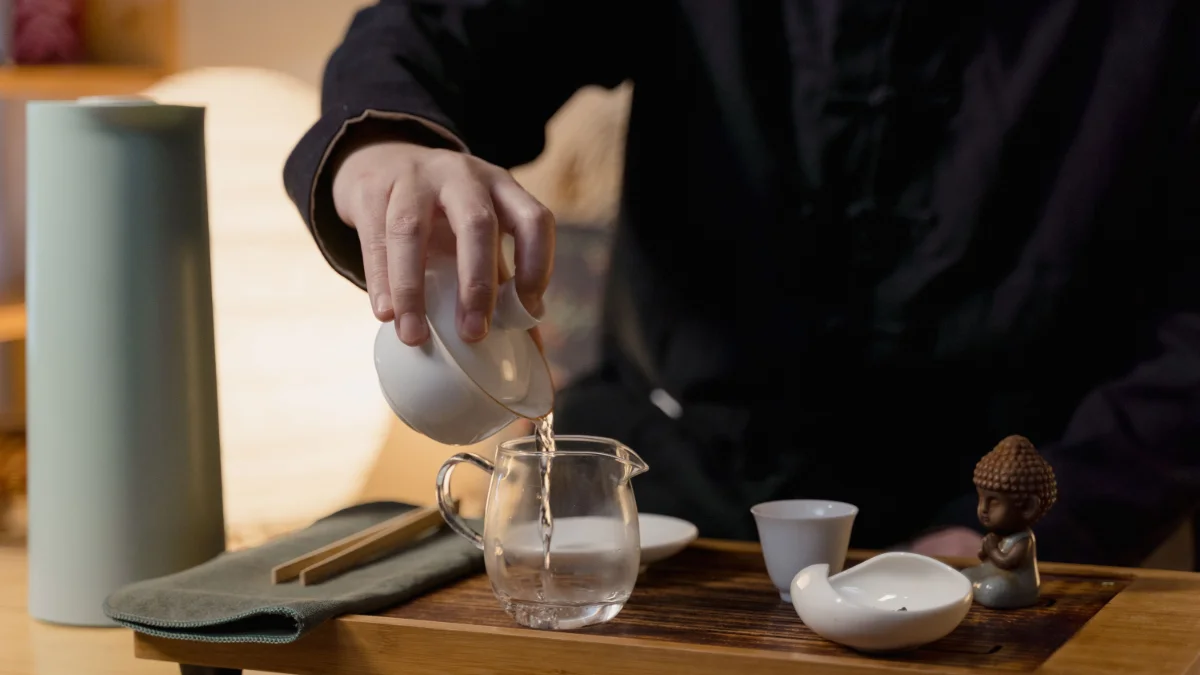
A small teapot is useful when you want to brew several cups, serve tea to another person or make multiple short infusions.
Glass teapots are beginner-friendly because you can see the color and the leaves opening. Ceramic teapots retain heat well and are versatile. A simple porcelain pot is easy to clean and does not hold onto strong aromas.
You do not need a dedicated pot for every kind of tea. In fact, using one neutral pot at first makes it easier to compare teas without adding another buying decision.
A clay teapot can be beautiful and enjoyable, but some unglazed clay pots are associated with one tea style because they can absorb aroma over time. That is a reason to buy one later, after you know which teas you drink most often.
5. A timer: useful for learning
Steeping time changes the strength and balance of tea. A timer helps you notice that a 60-second infusion and a five-minute infusion can taste like completely different drinks.
You do not need a tea-specific timer. Your phone, kitchen timer or watch is enough.
Use a timer for your first few brews, then adjust by taste. If the tea is bitter or dry, try less time, cooler water or fewer leaves. If it is weak, try more leaf, hotter water or a longer steep.
The timer is not there to enforce a perfect number. It is there to make your experiments repeatable.
6. A scale: optional but surprisingly useful
A small digital kitchen scale can help you understand how much tea you are using. It is especially useful for loose leaf tea because a spoonful of fluffy white tea weighs very differently from a spoonful of dense rolled oolong.
You can start with a simple approximation. Try one teaspoon for a medium mug, then adjust. A scale becomes more useful when you want to repeat a tea exactly or compare two teas fairly.
You do not need a specialist tea scale. A basic scale that measures in grams is enough. If you buy one later, choose a model with a small measurement range and a clear display rather than paying for decorative features.
7. A thermometer or temperature-controlled kettle
Water temperature matters, especially for green tea and delicate white tea. Boiling water can make some lighter teas taste harsh or bitter.
A thermometer gives you a direct answer. A temperature-controlled kettle is even more convenient because it can heat water to a chosen setting.
Neither is required on day one. Let freshly boiled water sit for a short while, or use the kettle’s first boil for sturdier teas and experiment from there.
If you often drink green tea and keep getting bitterness, temperature control may be one of the first upgrades worth considering. If you mostly drink black tea or roasted oolong, it may not matter as much.
8. A storage container: keep it simple
Tea should be protected from moisture, sunlight, heat and strong odors.
If you finish a small pouch within a few weeks, the original resealable packaging may be enough. For larger quantities, use an airtight, opaque container and store it in a cool, dry cupboard.
Avoid keeping tea beside coffee, spices or cleaning products. Tea absorbs surrounding aromas more easily than many beginners expect.
You do not need a matching collection of glass jars. Clear jars can expose tea to light, and decorative containers are not automatically airtight. Function matters more than appearance.
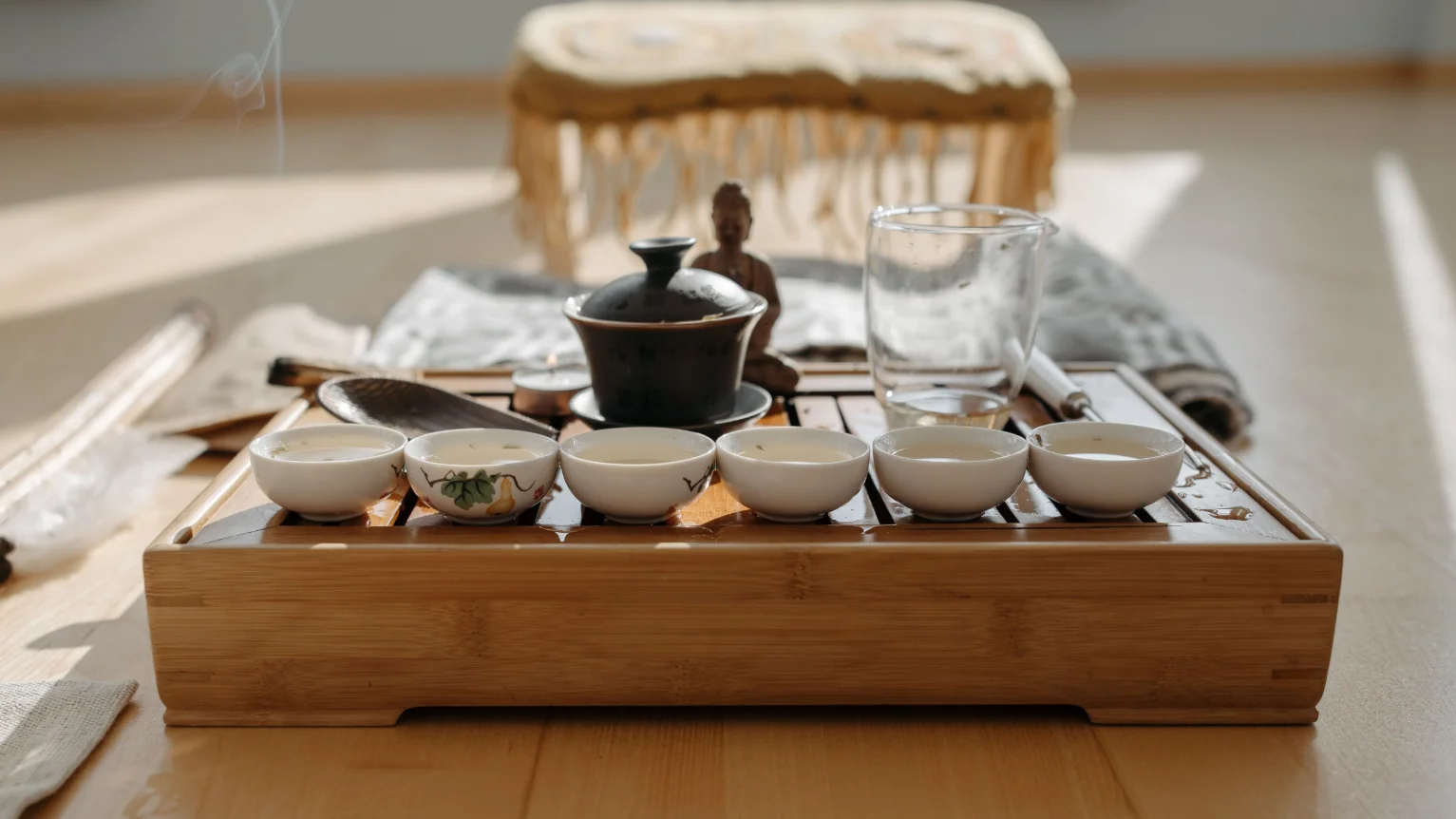
9. A tea tray: nice for cleanup
A tea tray gives you a place to put the infuser, catch drips and keep your tools together. It can make a small tea ritual feel more organized.
But you can replace it with a plate, saucer, towel or clear section of countertop. A tray is most useful when you brew gongfu-style tea, serve several people or want to move your whole setup from one room to another.
Do not buy a large tea tray before checking where you will store it. Many beginners buy a beautiful tray and then discover that it takes up more space than the rest of their tea tools combined.
10. What you can skip at the beginning
Tea pets
Tea pets are decorative figures associated with tea culture. They can be charming, but they do not improve the flavor of tea or make brewing easier.
Buy one if it makes you happy. Skip it if you are still deciding whether you even enjoy loose leaf tea.
Fairness pitchers
A fairness pitcher, also called a cha hai or sharing pitcher, helps combine tea from a small pot before pouring it into cups. This makes the strength more even when serving several people.
For one person using a mug infuser, it is unnecessary. You can drink directly from the brewing vessel.
Specialized tasting cups
Small tasting cups are useful when comparing several teas or serving guests. They are not needed for your everyday cup.
One comfortable mug teaches you more than a shelf full of cups you rarely use.
Tea knives and tea picks
These tools are useful for compressed tea cakes and bricks. If you are buying loose leaf tea, you can skip them entirely.
Electric tea tables
Electric tea tables can heat water, collect spills and create a polished setup. They can also be expensive, bulky and difficult to justify for a beginner.
Learn your brewing habits first. You may discover that a normal kettle and a small plate already suit you perfectly.
A practical first setup
If you want a simple shopping list, begin with:
- One medium mug or small teapot
- One wide basket infuser
- One kettle you already own
- One or two small tea samples
- A phone timer
- A small plate for the used infuser
That is enough to brew loose leaf tea, compare steeping times and discover whether you enjoy the process.
If you decide you like it, add a scale, better storage and temperature control in that order. The order can change depending on what frustrates you most.
Choose tools based on your habits
Your ideal tea setup depends on how you drink.
If you drink tea at work, prioritize a travel mug, a simple infuser and easy cleanup.
If you drink tea alone at home, a small teapot or basket infuser may be enough.
If you serve tea to friends, a pitcher and several cups can make sharing easier.
If you enjoy tasting, a scale, timer and small tasting vessels will help you compare teas more carefully.
If you drink tea mainly for comfort, focus on a good kettle, a favorite mug and tea you already know you love.
Final thoughts
Tea tools should support your habits, not create a new form of clutter.
Start with the smallest setup that makes brewing easy. Use the equipment you already own. Add one tool only when you can explain what problem it solves.
The most important tools are fresh water, decent tea and enough attention to notice what is in your cup. Everything else is optional equipment—and optional equipment should be fun.