Buying loose leaf tea online can feel strangely difficult.
Before choosing a vendor, read our Chinese tea guide for beginners to understand the main tea types and what suits you.
In a shop, you can look at the leaves, smell the tea and ask someone what it tastes like. Online, you often get a beautiful photograph, a poetic description and a long list of words that may or may not help you choose.
The good news is that you do not need to become a tea expert before ordering. You only need to know which details matter, which details are useful but optional, and which warning signs suggest that a listing is more marketing than information.
The short answer
When buying loose leaf tea online, look for:
- A clearly named tea and origin
- A harvest date, packing date or freshness information
- A useful description of flavor and processing
- Brewing instructions that match the tea
- Small sample sizes
- Transparent seller and shipping information
- Packaging that protects the tea from light, heat and moisture
If a seller tells you almost nothing about the tea but uses words like “premium,” “luxury” and “detox” repeatedly, keep looking.
1. Start with the type of tea
Before comparing brands, decide what kind of experience you want. “Loose leaf tea” includes green tea, black tea, white tea, oolong, pu-erh and many herbal infusions. These categories can taste completely different.
If you want something fresh and light, look at green tea or lightly oxidized oolong. If you prefer a rich morning cup, try black tea. If you like roasted, floral or layered flavors, oolong gives you plenty of room to explore. For something earthy and deep, consider pu-erh.
You do not have to choose by category alone, but knowing your general direction will stop you from buying a random sampler that contains several teas you already know you will not enjoy.
2. Check whether the name is specific
Good tea listings usually give you more than a broad label. “Green tea” is a starting point, not a full description.
Look for details such as:
- Tea style or cultivar
- Growing region
- Country of origin
- Harvest season or year
- Oxidation or roasting level
- Whether the tea is blended, scented or flavored
For example, “Taiwanese high mountain oolong” tells you more than “premium oolong.” A listing for “spring Longjing from Zhejiang” gives you a clearer starting point than “Chinese green tea.”
Specific information does not guarantee exceptional quality, but vague information makes comparison almost impossible.
3. Look for freshness information
Freshness matters differently for different teas. Green tea and lightly oxidized oolong often show their best character when they are relatively fresh. Properly stored black tea and pu-erh may remain enjoyable for longer, although storage still matters.
Online sellers may show a harvest date, production date, packing date or “best before” date. These are not interchangeable, but any clear time information is more useful than no date at all.
Be cautious when a seller describes tea as “fresh” without explaining when it was harvested or packed. Also check when the product page was updated if the tea is a seasonal item and the listing appears unchanged year after year.
4. Read the flavor description carefully
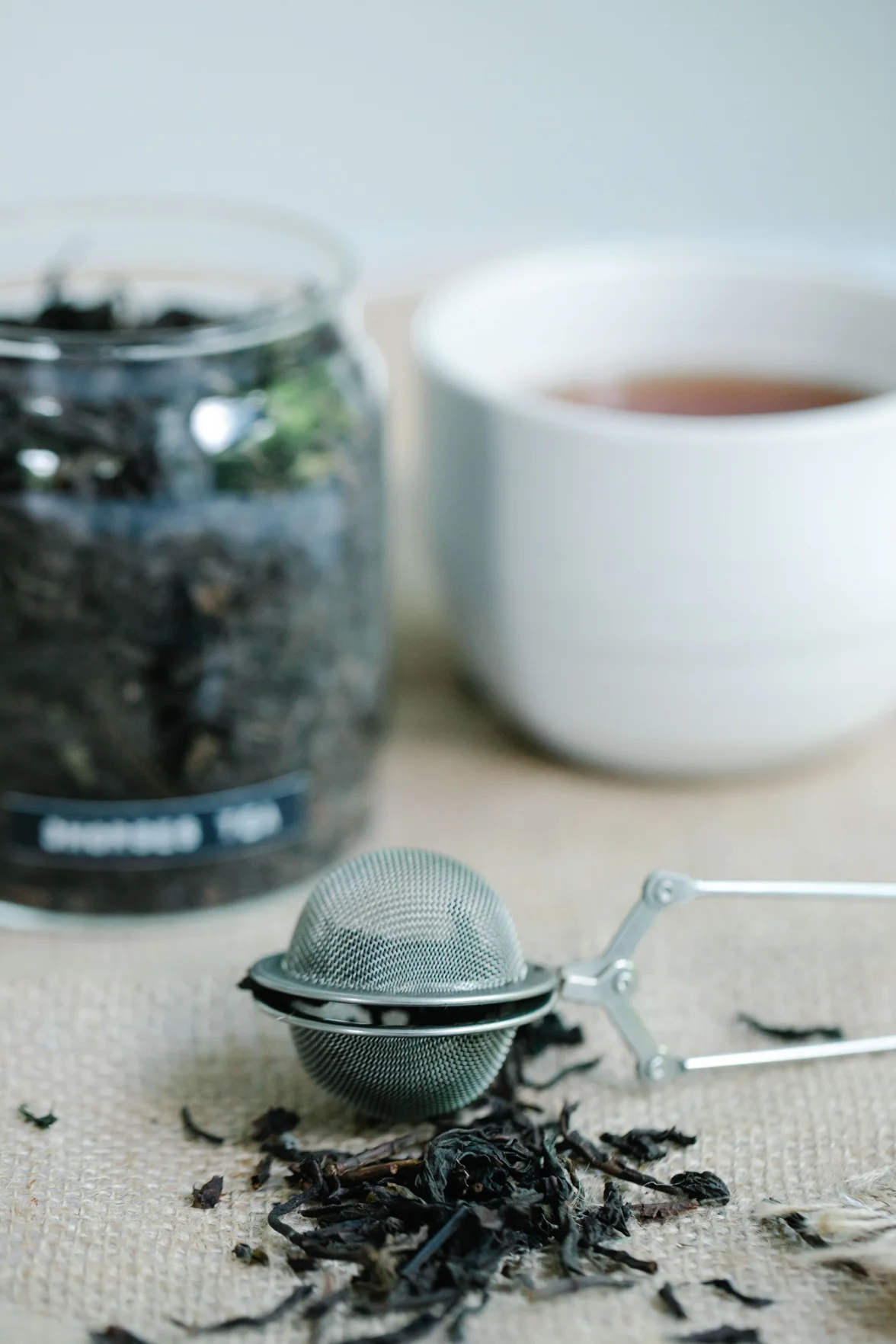
Useful tasting notes help you imagine the tea. “Orchid, honey and toasted grain” gives you a sense of direction. “A luxurious experience for the discerning palate” does not.
Tasting notes are subjective, so do not expect the tea to taste exactly like every word in the description. Use them as a map rather than a promise.
Pay attention to both positive and practical information. Does the tea have bitterness? Is it smoky, floral, earthy, grassy or roasted? Is the body light or full? Is the finish short or lingering?
If the description only uses emotional language and never explains flavor, processing or origin, it may be difficult to know what you are buying.
5. Check the leaf grade and appearance
Photos can help, but they can also be heavily styled or edited. Use them to check whether the listing shows whole leaves, broken leaves, buds, stems or a blend of different materials.
Whole leaves are not automatically better. Some teas are intentionally made from smaller pieces, and some excellent teas include stems or mature leaves. The point is to understand what you are paying for.
If the listing shows only the dry leaves but never the brewed tea, look for customer reviews with user photographs. They can reveal whether the actual product resembles the promotional image.
6. Look for brewing instructions
A reliable seller usually tells you how to brew the tea. The instructions do not need to be complicated, but they should give you a starting point for:
- Leaf-to-water ratio
- Water temperature
- Steeping time
- Suggested number of infusions
Brewing instructions can also reveal whether the seller understands the product. Boiling water and a five-minute steep may work for some black teas, but it can make a delicate green tea harsh and bitter.
Do not worry if your first brew is not perfect. Good instructions simply give you a sensible starting point.
7. Buy a sample before a large bag
The safest way to buy tea online is to buy less of it.
Look for sample sizes between roughly 10 and 25 grams, depending on the tea and how you brew. A small sample lets you test the aroma, flavor, caffeine level and tolerance for the brewing style before committing to a large pouch or cake.
Sampler sets can be useful, but check what is included. A sampler with six similar flavored teas may be less valuable than three small samples from different processing styles.
If a seller only offers large quantities, expensive gift boxes or collector packaging, ask yourself whether you are buying tea or buying the feeling of being a tea person.
8. Check packaging and storage
Tea absorbs moisture and odors easily. Light, heat and air can also affect freshness over time.
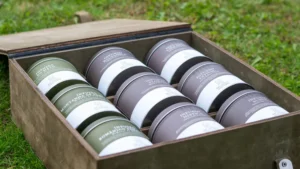
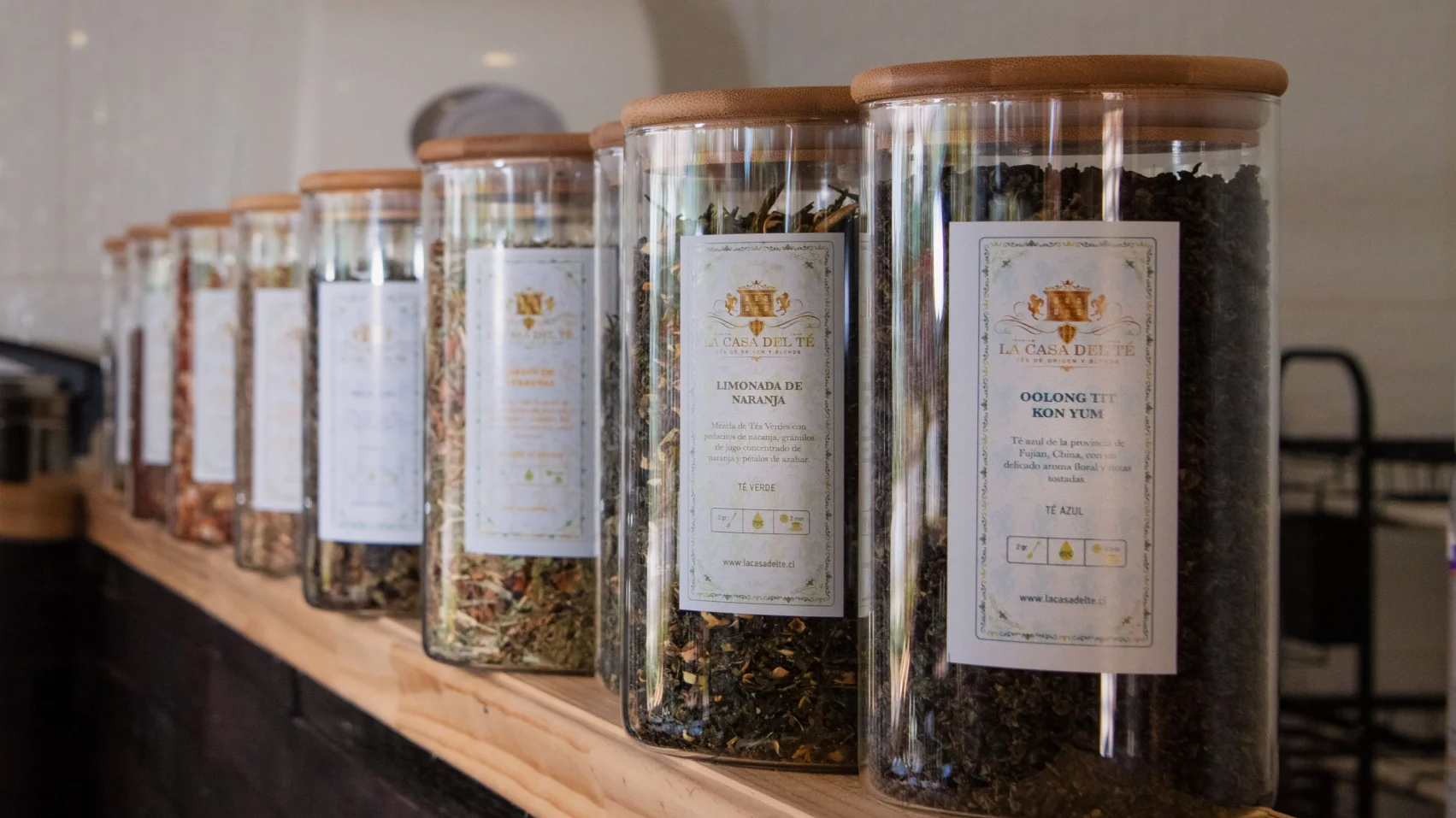
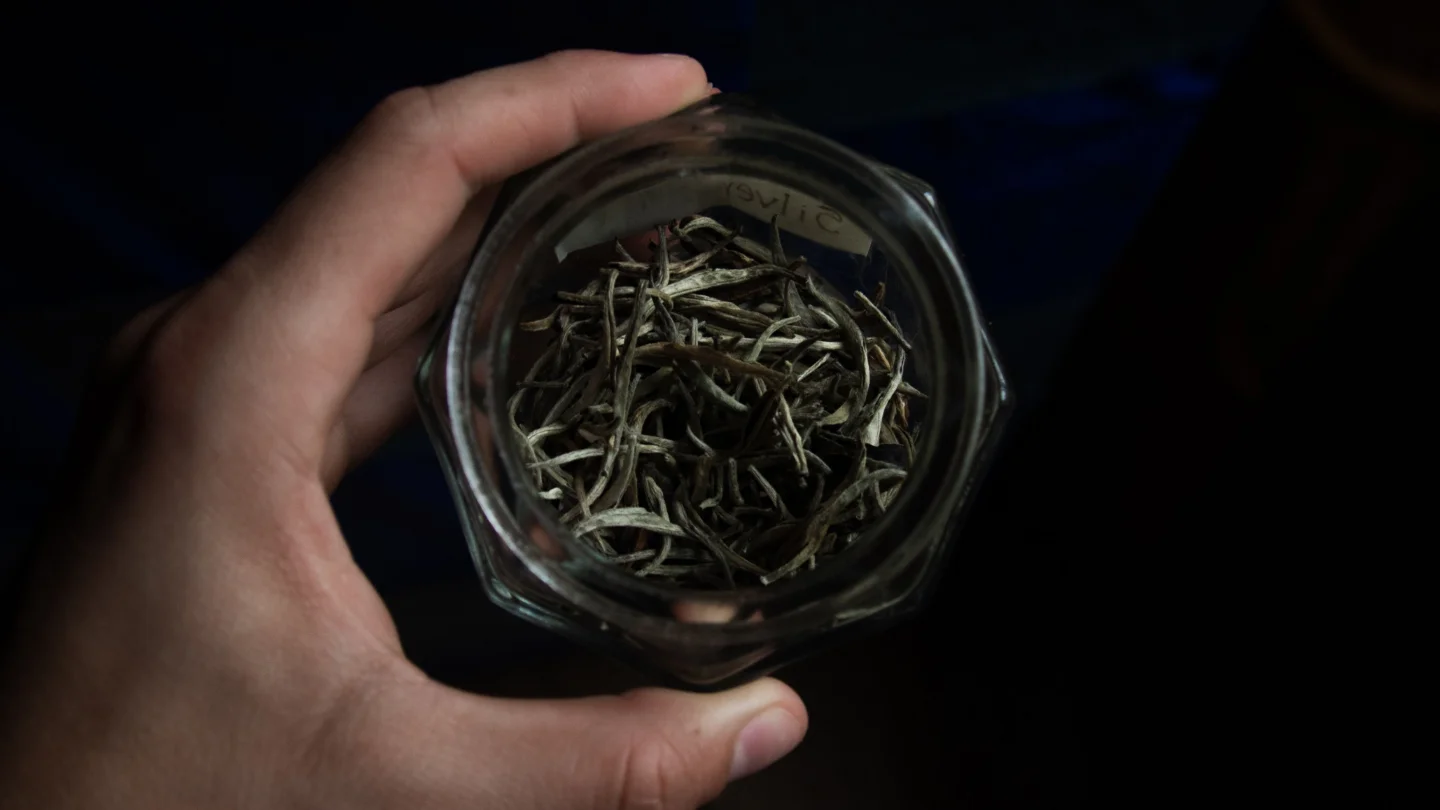
Good packaging is usually sealed, opaque or light-protective, and appropriate for the quantity being sold. Resealable pouches are convenient for home use. Tins and jars can work well if they close tightly and are stored away from sunlight.
Avoid storing tea beside spices, coffee or strong-smelling foods. Even a good tea can taste disappointing if it picks up the smell of its surroundings.
9. Research the seller, not just the tea
Before ordering, look at the shop’s policies and reputation.
Useful signs include:
- A clear business name and contact method
- Honest shipping timelines
- A return or replacement policy
- Reviews that describe the actual tea
- Information about sourcing and storage
- Consistent product details across the site
Pay attention to reviews that mention stale tea, damaged packaging, missing products or poor communication. A few negative reviews are normal. A pattern of the same complaint is more important than a perfect star rating.
10. Be careful with health claims
Tea can be part of a pleasant daily routine, but health claims deserve extra caution. Words such as “detox,” “fat-burning,” “cures,” or “guaranteed results” are not good substitutes for information about the tea itself.
If you take medication, are pregnant, or have a condition affected by caffeine or herbs, check with a qualified healthcare professional before making a concentrated tea or herbal blend part of your routine.
For ordinary shopping, focus on flavor, ingredients, caffeine, freshness and brewing. Those details are easier to evaluate and more relevant to whether you will enjoy the cup.
A quick online tea checklist
Before clicking “buy,” ask:
- Do I know what type of tea this is?
- Do I know where it comes from?
- Is there any useful freshness information?
- Does the flavor description sound specific?
- Are there brewing instructions?
- Can I buy a small sample?
- Is the tea packaged for freshness?
- Does the seller appear transparent and reliable?
If you can answer most of these questions, you probably have enough information for a reasonable first purchase.
What should a beginner buy first?
For a first order, choose one tea that sounds familiar and one that is slightly outside your comfort zone.
For example, buy a black tea or lightly roasted oolong as your dependable option. Add a floral oolong, green tea or white tea as your experiment. Order small quantities and brew them with the same mug and water so you can compare them fairly.
You do not need expensive equipment. A basic basket infuser, a kettle and a cup are enough. The most useful upgrade is usually better attention: fresh water, a timer and a willingness to adjust the next steep.
Final thoughts
The best online tea shops make buying feel informed rather than mysterious. They tell you what the tea is, where it came from, how it tastes, how to brew it and how it has been stored.
You do not need to understand every tea term before you begin. Start with clear information, a small sample and realistic expectations.
Buy less. Taste slowly. Take notes when something surprises you.
Over time, you will learn your own preferences—and that knowledge is much more valuable than any “best tea” list.