Walk into a tea shop or browse an online tea store and you may find two teas that look almost identical, yet one costs three times as much as the other.
Is the expensive tea genuinely better? Or are you paying for a prettier tin, a famous name and a story that sounds good on a product page?
The honest answer is that price can reflect real differences—but it can also reflect branding, rarity, labor, supply and presentation. Expensive tea is not automatically better, and cheap tea is not automatically poor quality.
The useful question is: what exactly changes when the price goes up?
The short answer
Higher-priced tea may offer:
- Better leaf material and more careful harvesting
- A more specific origin and traceable production
- Greater aroma, texture and aftertaste
- More careful processing and sorting
- Better freshness and storage
- More consistent flavor from one purchase to the next
But a higher price does not guarantee that the tea will suit your taste. A delicate, expensive green tea can still be less enjoyable to someone who prefers a strong roasted oolong.
For everyday drinking, the best value is usually a tea that is fresh, clearly described and enjoyable enough that you want to brew it again.
What does “cheap” actually mean?
Cheap tea can mean several different things.
It may be a mass-produced tea made at large scale. It may use a lower-cost grade of leaf, a blend from several regions or a larger amount of stems and broken pieces. It may also be a perfectly respectable tea sold in simple packaging with low marketing costs.
Price alone cannot tell you which explanation applies.
Some inexpensive teas are designed to be strong and dependable with milk or sugar. Others are simple but pleasant daily teas. A low price becomes more concerning when it is combined with vague descriptions, stale stock, poor packaging or exaggerated claims.
1. Leaf material can change the cup
One of the clearest differences between cheap and expensive loose leaf tea is the material used to make it.
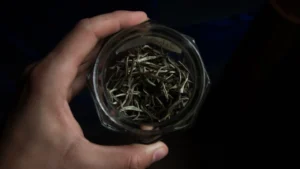
Higher-priced teas may contain younger leaves, unopened buds or carefully selected whole leaves. These parts can contribute to a more delicate aroma, smoother texture and longer finish.
Lower-priced teas may contain larger mature leaves, broken leaves or more stems. That is not always a flaw. Some tea styles intentionally use mature leaves or stems, and some broken leaves brew quickly and strongly.
The important difference is whether the material suits the style. A cheap black tea made for a quick breakfast may be exactly right for a busy morning. A cheap tea marketed as a rare, nuanced spring harvest deserves more scrutiny if the leaves look dusty, uneven or overly fragmented.

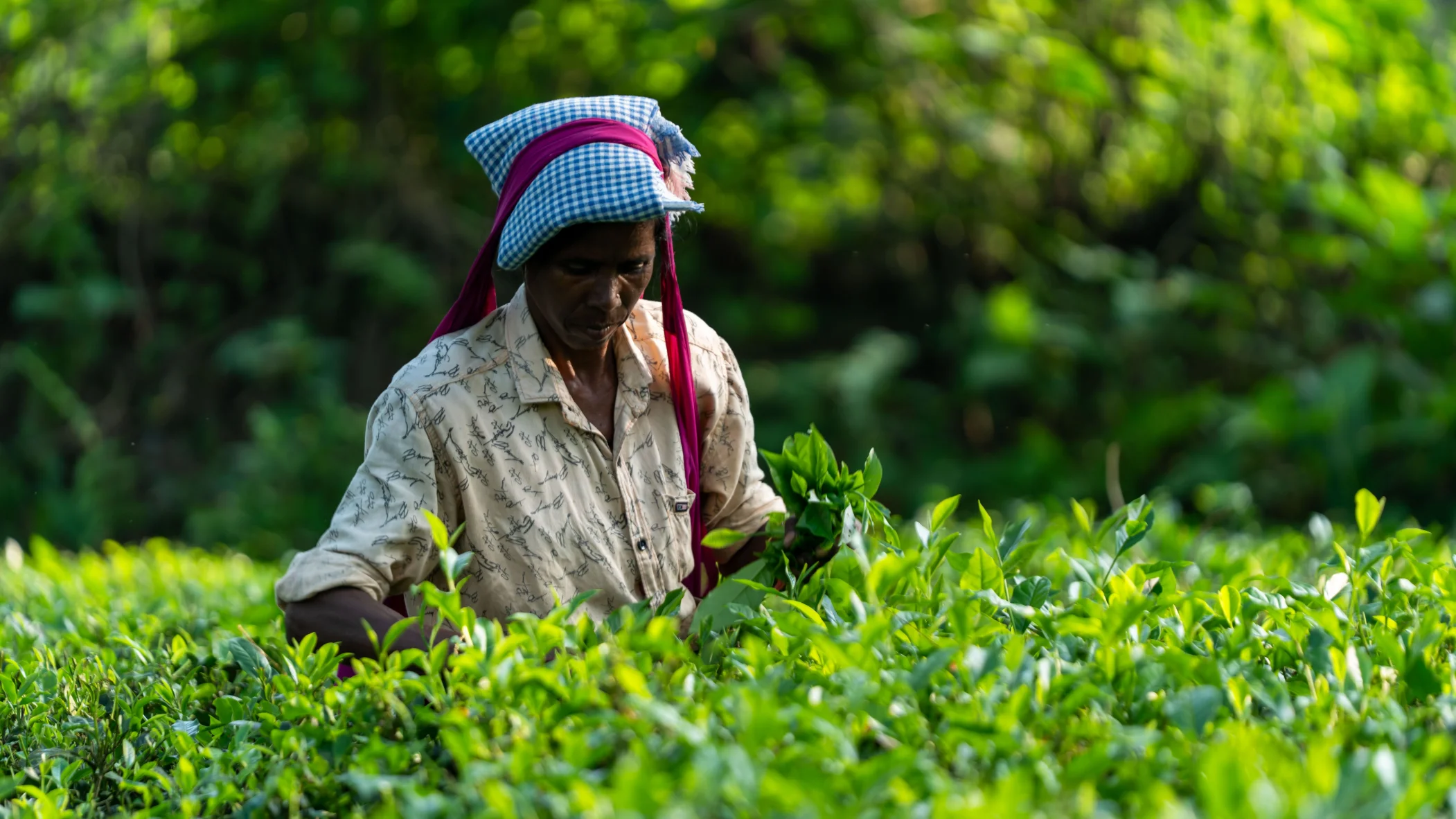
2. Harvest and picking can affect flavor
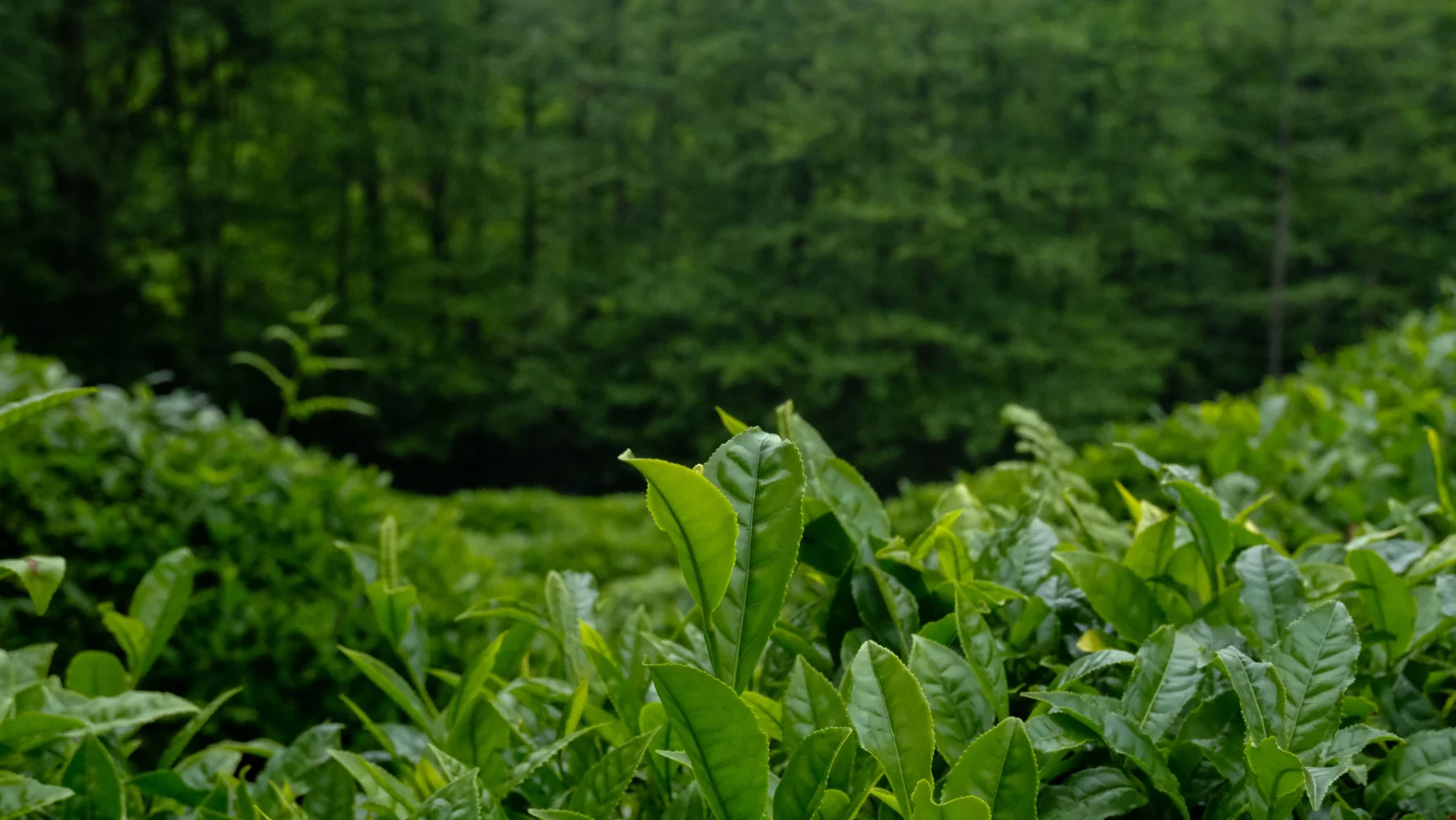
Tea is an agricultural product, so the season and conditions of harvest matter.
Spring teas are often prized for freshness and fragrance. Some summer and autumn teas have a fuller or more robust character. A tea made from a particular flush or a hand-picked selection may cost more because the supply is limited and the work is slower.
That does not mean every spring tea is better than every autumn tea. It means the harvest details help explain the price and give you a more realistic expectation of flavor.
Be cautious when a product uses words like “first harvest” or “rare” without saying where the tea came from, when it was produced or how the information was verified. A seasonal label is useful only when it is specific enough to mean something.
3. Processing skill can be worth paying for
Tea processing turns fresh leaves into the tea you brew. Withering, rolling, oxidation, roasting, drying and fermentation all influence the final result.
Careful processing can create a tea with balance: aroma without harshness, strength without dryness and complexity without confusion. It can also make the tea more forgiving when you brew it slightly too long or too hot.
This is especially noticeable in oolong and pu-erh, where craftsmanship and storage can produce major differences. A well-made roasted oolong may taste deep and smooth, while a poorly roasted one tastes burnt. A clean ripe pu-erh may be mellow and earthy, while a low-quality one can taste muddy or fishy.
Still, processing is not a reason to pay any price. Look for a clear explanation of the style, roast or fermentation. “Artisan” is not enough by itself.
4. Origin and traceability add value
Expensive tea sometimes costs more because the seller can identify a particular farm, garden, mountain, village or production workshop.
Traceability does not guarantee that you will like the tea, but it tells you what you are buying. It also makes future purchases easier. If you love a tea from one region and dislike another, you can make a more informed choice next time.
Compare:
- “Premium Chinese green tea”
- “Spring Longjing from a named producing area in Zhejiang”
The second description gives you more information. It may cost more because the supply is smaller, the harvest is more selective or the sourcing is more direct.
If a tea is expensive because of its origin, the seller should be able to explain that origin in plain language.
5. Freshness may matter more than prestige
For many teas, freshness has a larger effect on enjoyment than an impressive name.
Green tea and lightly oxidized oolong can lose brightness and aroma when stored poorly or kept for too long. Black tea may remain stable for longer, but it can still become flat or stale. Pu-erh has its own aging and storage considerations.
An expensive tea that has sat in a warm warehouse is not automatically a good purchase. A modestly priced tea packed recently and stored carefully may taste much better.
Look for harvest dates, packing dates, storage information and packaging that protects the tea from light, humidity and odors. If a seller refuses to provide even basic freshness information, treat the price with caution.
6. Packaging changes the experience—but not always the tea
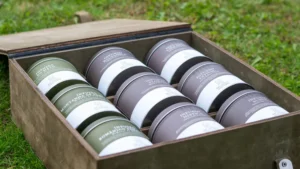
Beautiful tins, embossed labels and gift boxes add real costs. They can protect the tea, make storage easier and create a pleasant unboxing experience.
But packaging is not flavor.
If most of the price difference seems to come from a heavy box, a famous logo or a limited-edition presentation, decide whether those things matter to you. They may be worthwhile for a gift. For everyday drinking, you may prefer to spend the same money on more tea or better sourcing.
Good packaging should be functional first. It should seal well, protect the leaves from light and moisture, and make it easy to know what is inside.
7. Flavor complexity is real, but personal
More expensive tea often has a more layered profile. It may change as the cup cools, reveal different aromas in later infusions or leave a longer aftertaste.
That complexity is part of the value for people who enjoy tasting tea carefully. It is less important if you mostly want a reliable, strong cup with breakfast.
Personal taste also changes the calculation. Someone who loves smoky black tea may find a subtle, expensive white tea boring. Someone who enjoys floral aromas may consider a fragrant oolong worth every extra dollar.
Do not ask only, “Can I taste the quality?” Ask, “Do I want this kind of quality?”
8. Consistency can justify a higher price
Reliable tea sellers often work to make each batch resemble the description and previous purchases. That consistency has value if you are buying tea for a café, a gift or a daily routine.
Very cheap blends can vary more from one batch to the next, especially when ingredients are sourced from multiple places. Again, variation is not always bad, but it can be frustrating if you are trying to recreate a favorite cup.
Reviews can help here. Look for comments from repeat buyers rather than only first impressions. A tea that people describe as consistently fresh and recognizable may be better value than one with a brilliant but unreliable first batch.
9. What expensive tea does not guarantee
Higher prices do not guarantee:
- A flavor you will enjoy
- More caffeine
- Better health benefits
- Ethical sourcing
- A famous producer’s involvement
- Proper storage
- A better brewing experience
They also do not guarantee that the tea is rare. “Limited” may describe a marketing campaign rather than a genuinely small harvest.
If the listing makes large health promises or relies heavily on status language, look for practical facts underneath. The more expensive the tea, the more important it is to understand what you are actually paying for.
A simple value test
Before buying an expensive tea, ask five questions:
- Is the origin specific?
- Is the harvest, packing or storage information clear?
- Does the seller explain the processing?
- Can I buy a sample first?
- Would I still want this tea if the packaging were plain?
If the answer to most of these is yes, the higher price may be connected to genuine quality or scarcity.
If the answer is no, try a smaller purchase or a different seller.
How much should a beginner spend?
You do not need to begin with the most expensive tea in a shop. Start with a small sample from a seller that gives clear information about the tea.
A modestly priced loose leaf oolong, black tea or green tea is often enough to teach you what you like. Once you can describe your preferences—floral, roasted, malty, grassy, earthy or sweet—you can spend more selectively.
The best upgrade is not always a more expensive tea. It may be fresher water, better storage, a more suitable temperature or a smaller leaf-to-water ratio.
The verdict
Cheap tea can be simple, practical and enjoyable. Expensive tea can offer better leaf material, clearer origin, more careful processing, greater complexity and stronger consistency.
The price difference is worth paying when you can identify the improvement and genuinely enjoy it. It is not worth paying when the extra cost mainly buys packaging, vague prestige or promises that cannot be checked.
Buy the best tea you can taste and understand—not the most expensive tea you can afford.
For everyday drinking, a fresh, honest and well-stored tea will usually beat a prestigious tea that does not match your preferences.
If you’re still learning the basics, begin with Chinese Tea for Beginners before comparing price, origin, and quality.