
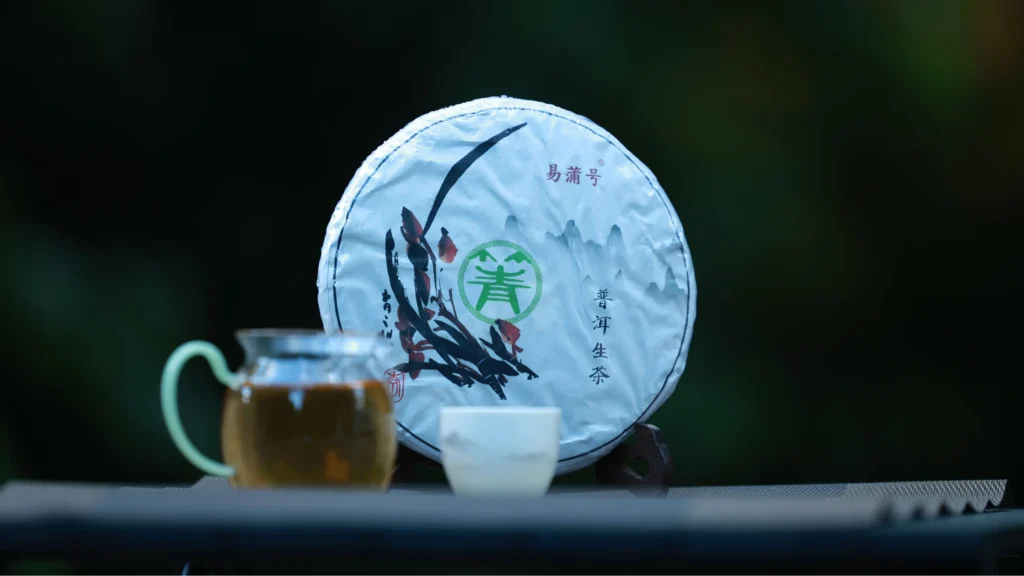
Most people’s first instinct with pu-erh is to treat it like a tea bag — steep it once or twice, then toss the leaves and start over. If that’s you, you’re accidentally throwing away the best part of the experience. Pu-erh is built for re-steeping, and getting more infusions out of the same leaves isn’t a trick — it’s just how this tea is meant to be brewed.
So, How Many Times Can You Actually Re-Steep It?
A realistic range is 8 to 15 infusions, and with well-processed, high-quality leaves, some drinkers push well past 20 before the tea genuinely runs out of flavor. That said, treat any single number you read online — including this one — with a bit of skepticism. The real answer depends on a handful of variables that a fixed number can’t capture:
- Whether you’re brewing sheng (raw) or shou (ripe) pu-erh
- How tightly compressed the leaves are — a broken-off piece from a cake behaves differently than loose leaves
- How much tea you use relative to your gaiwan or pot
- Your own taste — some people stop at “still good,” others push until the tea is nearly water
In other words, the number matters less than knowing how to tell when you’ve actually reached the end.
How to Tell When It’s Time to Stop (Instead of Counting Infusions)
Counting steeps is a habit worth dropping. A far more reliable approach is reading the tea itself — three things tend to shift in a predictable order as the leaves get closer to spent:
1. The color fades. Early infusions produce a rich, saturated liquor. As the leaves near the end of their life, the color thins out noticeably from one steep to the next, even if you’re using the same steeping time.
2. The aroma flattens. A fresh infusion has some lift to it — you can smell it before you even taste it. When that aroma starts to feel muted or one-dimensional, the leaves are telling you they’re running low on what they have to give.
3. The flavor loses its layers. Good pu-erh unfolds in stages within a single sip — sweetness, body, a lingering aftertaste. When all of that collapses into something flat and simple, that’s usually the real signal to stop, regardless of what infusion number you’re on.
If you’re ever unsure whether a steep still has something left in it, there’s a simple fix: instead of assuming the leaves are done, just extend the steeping time a little longer before giving up on them. A tired leaf often just needs more contact time with the water, not a replacement.
Sheng vs Shou: Does It Change How Many Steeps You Get?
Yes, and the difference is noticeable once you know to look for it.
Shou (ripe) pu-erh has already gone through accelerated fermentation, which breaks down the leaf structure and makes it release its flavor more evenly across many infusions. This tends to make shou more forgiving and often more durable across a long session.
Sheng (raw) pu-erh hasn’t undergone that same processing, so its flavor curve behaves differently — the first few infusions can be intense, sometimes almost sharp, before settling into something smoother over the following steeps. Aged sheng in particular can surprise you with how long it keeps going, since time does some of the same work fermentation does for shou.
Compression also plays a role here. A piece broken off a tightly pressed cake or brick releases its flavor more slowly than loose leaf, since the water needs more time to fully penetrate the compressed layers. That slower release often translates into a few extra usable infusions compared to loose-leaf pu-erh of similar quality.
A Few Small Habits That Stretch Your Infusions Further
- Brew in a gaiwan rather than a large teapot. Smaller vessels give you more control over steeping time per infusion, which matters more with pu-erh than with most other teas. If you’re still getting comfortable with gaiwan technique, our beginner’s guide to brewing without burning your fingers covers the grip and pour basics.
- Don’t skip the rinse. A quick rinse of the leaves before your first real infusion — sometimes called “awakening” the tea — helps the leaves open up evenly from the start, which tends to make the infusions that follow more consistent.
- Keep your steeping times short early on. Long first steeps burn through flavor faster than you’d expect. Short, quick infusions at the start actually help the leaves last longer overall.
The Bottom Line
Forget the number. Pu-erh rewards drinkers who pay attention to color, aroma, and flavor rather than ones who count steeps on their fingers. Once you get a feel for what “still good” looks and smells like, you’ll naturally get more out of every session — usually more than you expected when you started.
Curious about the difference between sheng and shou beyond just how many steeps they give you? We break down the real distinctions — without the jargon — in Sheng vs Shou Pu-erh: A Beginner’s Guide.

Pingback: Sheng vs Shou Pu-erh: A Beginner's Guide Without the Jargon - LifeUpDaily
Pingback: The Real Reason Chinese Tea Cups Are So Small - LifeUpDaily